Paralysis of Russian Oil Refining: How Refinery Strikes Exhaust the Kremlin’s War Budget
Systematic strikes on Russian oil refineries reduced refining volumes in Russia by approximately 35% over a month. This forces Moscow to freeze fuel exports and cuts state revenue, directly undermining its military financing.
 🧠AI Analysis
Photo: 24tv.ua
Key points
- Russian oil refining dropped by 35% in a month following strikes on 11 refineries.
- Moscow froze fuel exports and resorted to importing fuel of varying quality.
- Petrochemical strikes disrupt raw material supplies for Iskander and Kalibr missile production.
Systematic strikes by the Ukrainian Defense Forces against critical infrastructure of the aggressor state have led to a significant drop in Russian oil refining capacity. According to military expert and Territorial Defense Forces serviceman Oleksandr Musiienko, Russian oil refining volumes plummeted by roughly 35% in just one month. Over an intensive 17-day campaign, 11 Russian refineries were damaged, forcing the Kremlin to urgently restructure its economic model.
Losses for Oil Giants and Fuel Shortages
The reduction in refining severely hit the revenues of major Russian energy firms, particularly Rosneft and Lukoil. To cover internal shortages, Moscow was forced to freeze export contracts for gasoline and diesel fuel. Furthermore, the aggressor state began importing fuel from third countries, which does not always meet strict technological requirements.
According to Ukraine's Defense Intelligence (GUR), the use of low-quality imported fuel has already triggered several incidents in Russian military aviation. Notably, on October 29 at the Akhtubinsk airfield, a Su-57 fighter jet valued at around $150 million exploded during engine startup. Similar fuel-related technical failures were reportedly observed involving Tu-95 and Su-34 aircraft.
Impact on Missile Production and State Budget
Beyond oil refineries, targeting expanded to petrochemical plants in Voronezh, Tolyatti, Omsk, and Nizhnekamsk. These facilities produce synthetic rubber and other vital inputs required for missile propellant and equipment used in Iskander, Kalibr, S-300, and S-400 systems, as well as drones and aircraft.
As Russia finances its war effort primarily through its internal budget, the growing deficit constrains the Kremlin's capacity to place new orders with defense contractors. This creates long-term structural challenges to Russia's ability to sustain a prolonged war of attrition.
Source 24tv.ua — 24tv.ua/udari-po-npz-rosiyi-vtrati-armiyi-putina-intervyu-musiyenka-pro… ↗
Read next
 🏢Бізнес
Saving a Water-Damaged Smartphone: 4 Mistakes to Avoid
Experts debunk common myths about drying gadgets and offer professional advice to prevent costly repairs.
 🏢Бізнес
EU spent more on Russian energy than on aid to Ukraine, European Commission data shows
Since 2022, EU member states have paid Russia more for energy imports than the total financial support provided to Ukraine.
 🏢Бізнес
SpaceX hires Washington lobbyists ahead of potential US Congressional probes
Elon Musk's aerospace company has engaged professional lobbyists to navigate upcoming Congressional scrutiny regarding Starlink operations in Ukraine.
 🏢Бізнес
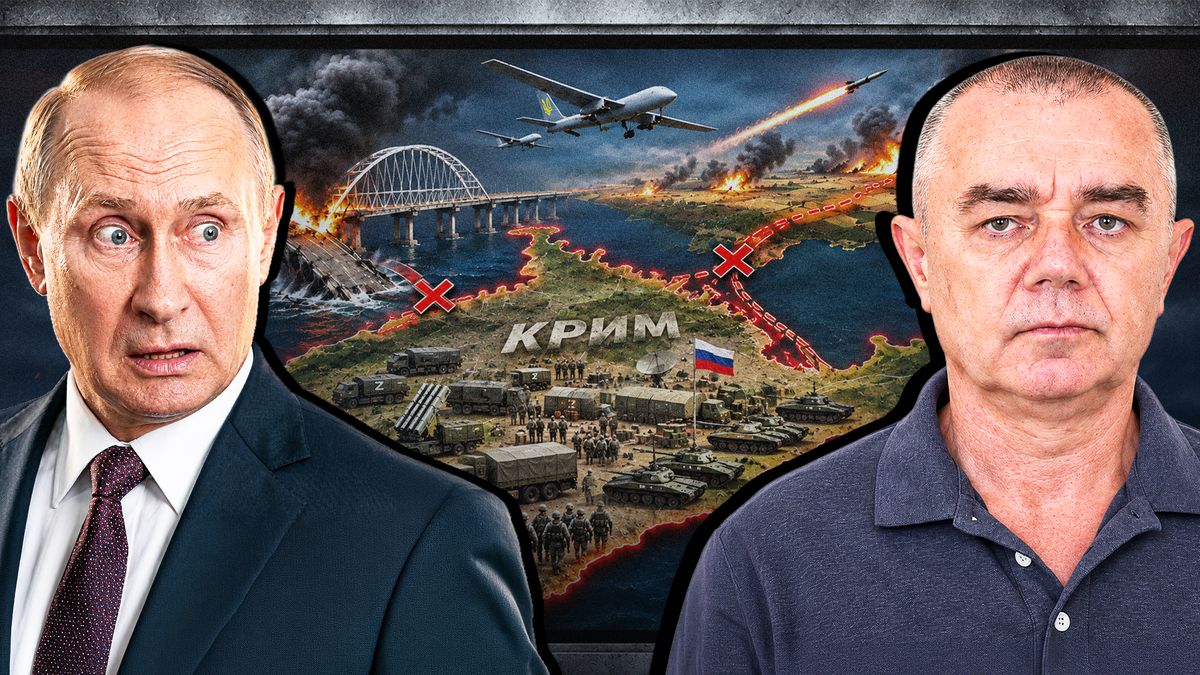
Strikes on the Crimean Bridge: Economic Impact on Logistics and Shipping
Damage to the Crimean Bridge by Ukrainian missiles creates significant logistical hurdles for the Russian Federation and disrupts maritime trade.
 🏢Бізнес
EU to Provide €1 Billion for Military Equipment for Ukraine
The Council of the European Union has approved a new military aid package via the European Peace Facility to strengthen Ukraine's defense capabilities.
 🏢Бізнес
Russian strike destroys Fresh Production Group's film studio
On the night of November 20, a Russian attack completely destroyed the filming studio of a prominent Ukrainian production company. No casualties were reported.