Lessons from Ukraine: How the Pentagon Failed Drone Defense in the Middle East
An investigation by The Atlantic reveals why the US military leadership dismissed Ukrainian drone-defense technologies before a deadly strike in Kuwait.
 🧠AI Analysis
Photo: biz.liga.net
Key points
- Shahed drone attack in Kuwait caused US casualties
- Pentagon rejected generals' proposals for Ukrainian defense tech
- The Atlantic investigation highlights systemic command failures
The outbreak of the US and Israeli military conflict against Iran in early 2026 brought severe casualties for the American military contingent. A Shahed-type drone strike on a US military facility in Kuwait resulted in the deaths of six service members and injured over twenty others, marking the deadliest attack for US forces in the region. According to a detailed investigation by The Atlantic, this tragic outcome could have been entirely averted.
Ignoring Ukrainian Expertise
Prior to the escalation in the Middle East, senior US generals repeatedly warned about the mounting drone threat and urged the adoption of Ukrainian anti-drone technologies. Over years of full-scale warfare, Ukraine has accumulated unparalleled expertise in countering low-cost loitering munitions. However, Pentagon leadership blocked these initiatives, refusing to incorporate insights forged on the Eastern European front lines.
- A drone strike in Kuwait killed six US service members.
- American generals advocated for deploying Ukrainian defense technologies.
- Pentagon leadership systematically ignored expert warnings.
Broader Implications for Defense
Attempts to hurriedly rectify the oversight after the initial strikes only exposed further failures in logistics and operational coordination. This episode highlights the severe risks of underestimating modern asymmetric warfare threats. For Ukraine’s defense tech sector, it underscores the global relevance of local innovations, even as bureaucratic hurdles among international partners persist.
Source biz.liga.net — liga.net/war/articles/hegset-ne-hotel-slyshat-slovo-ukraina-kak-pen… ↗
Read next
 🏢Бізнес
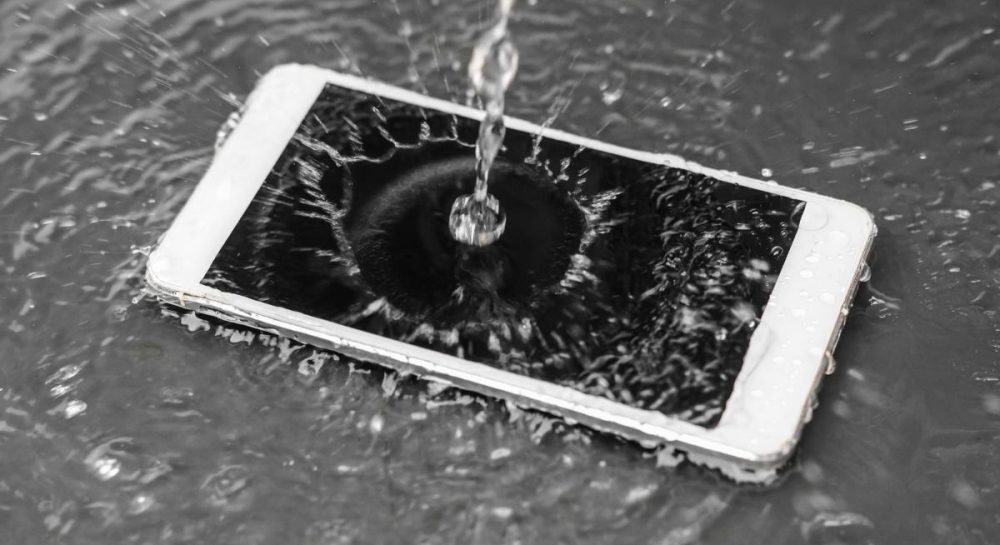
Saving a Water-Damaged Smartphone: 4 Mistakes to Avoid
Experts debunk common myths about drying gadgets and offer professional advice to prevent costly repairs.
 🏢Бізнес
EU spent more on Russian energy than on aid to Ukraine, European Commission data shows
Since 2022, EU member states have paid Russia more for energy imports than the total financial support provided to Ukraine.
 🏢Бізнес
SpaceX hires Washington lobbyists ahead of potential US Congressional probes
Elon Musk's aerospace company has engaged professional lobbyists to navigate upcoming Congressional scrutiny regarding Starlink operations in Ukraine.
 🏢Бізнес
Strikes on the Crimean Bridge: Economic Impact on Logistics and Shipping
Damage to the Crimean Bridge by Ukrainian missiles creates significant logistical hurdles for the Russian Federation and disrupts maritime trade.
 🏢Бізнес
EU to Provide €1 Billion for Military Equipment for Ukraine
The Council of the European Union has approved a new military aid package via the European Peace Facility to strengthen Ukraine's defense capabilities.
 🏢Бізнес
Russian strike destroys Fresh Production Group's film studio
On the night of November 20, a Russian attack completely destroyed the filming studio of a prominent Ukrainian production company. No casualties were reported.