The Catacomb Church: How the UGCC Survived Soviet Repression
80 years ago, the Soviet regime launched a massive operation to liquidate the Ukrainian Greek Catholic Church, inadvertently triggering the creation of a resilient underground network.
 🧠AI Analysis
Photo: 24tv.ua
Key points
- 1945 arrest of the episcopate
- Lviv Synod as a liquidation tool
- Creation of an underground survival network
- 40 years of clandestine operation
Operation Against the UGCC
In 1945, the Soviet regime initiated a systematic effort to dismantle the Ukrainian Greek Catholic Church, viewing it as a threat to its ideological monopoly. The arrest of the episcopate, led by Josyf Slipyj, and the subsequent 1946 Lviv Synod served as tools for the forced liquidation of an institution that commanded millions of followers and maintained ties with the Vatican.
Resilience in the Underground
The repressions failed to achieve their goal; instead of disappearing, the church transformed into a powerful underground structure. Priests, working regular jobs during the day, held secret liturgies at night. This level of conspiracy allowed the religious community to survive for four decades, despite constant surveillance by security services and the threat of imprisonment.
Source 24tv.ua — 24tv.ua/yak-stalin-namagavsya-znishhiti-ugkts-vizhila-pidpilli_n3181768 ↗
Read next
 🏢Бізнес
Saving a Water-Damaged Smartphone: 4 Mistakes to Avoid
Experts debunk common myths about drying gadgets and offer professional advice to prevent costly repairs.
 🏢Бізнес
EU spent more on Russian energy than on aid to Ukraine, European Commission data shows
Since 2022, EU member states have paid Russia more for energy imports than the total financial support provided to Ukraine.
 🏢Бізнес
SpaceX hires Washington lobbyists ahead of potential US Congressional probes
Elon Musk's aerospace company has engaged professional lobbyists to navigate upcoming Congressional scrutiny regarding Starlink operations in Ukraine.
 🏢Бізнес
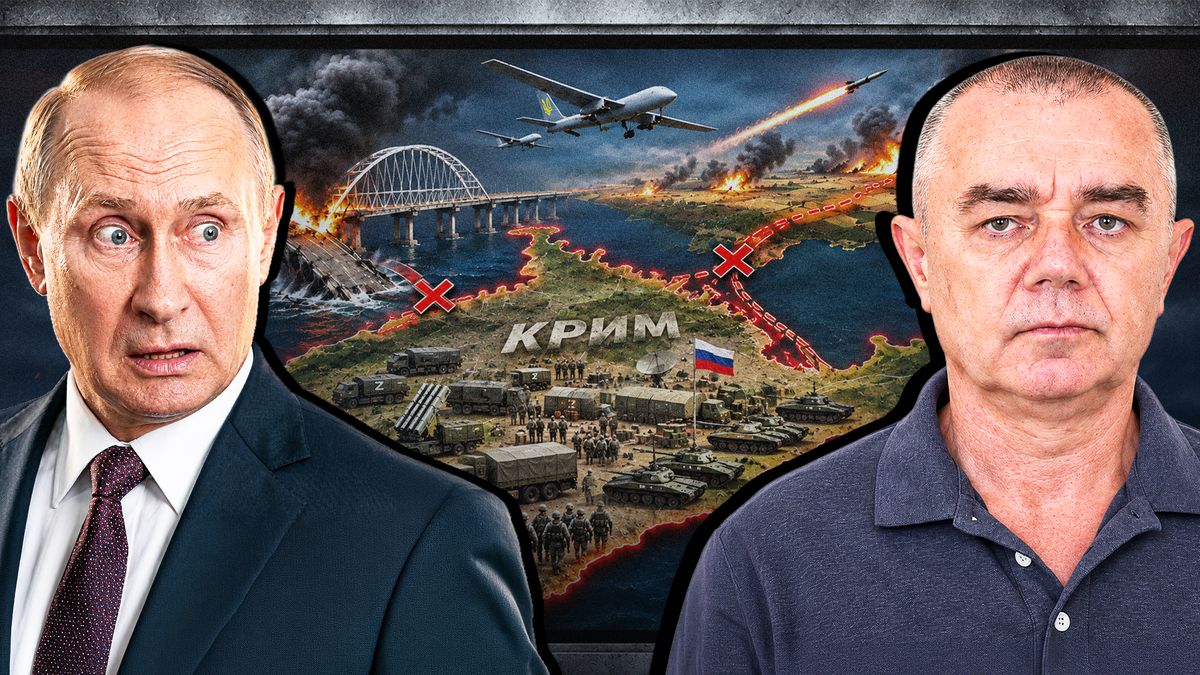
Strikes on the Crimean Bridge: Economic Impact on Logistics and Shipping
Damage to the Crimean Bridge by Ukrainian missiles creates significant logistical hurdles for the Russian Federation and disrupts maritime trade.
 🏢Бізнес
EU to Provide €1 Billion for Military Equipment for Ukraine
The Council of the European Union has approved a new military aid package via the European Peace Facility to strengthen Ukraine's defense capabilities.
 🏢Бізнес
Russian strike destroys Fresh Production Group's film studio
On the night of November 20, a Russian attack completely destroyed the filming studio of a prominent Ukrainian production company. No casualties were reported.