Hybrid Cars in Ukraine: How Fuel-Efficient Powertrains Help Drivers Save Money
An overview of hybrid vehicle technologies, explaining the differences between HEV, PHEV, and MHEV systems, and why conventional hybrids remain the most practical choice for Ukrainian motorists.
 🧠AI Analysis
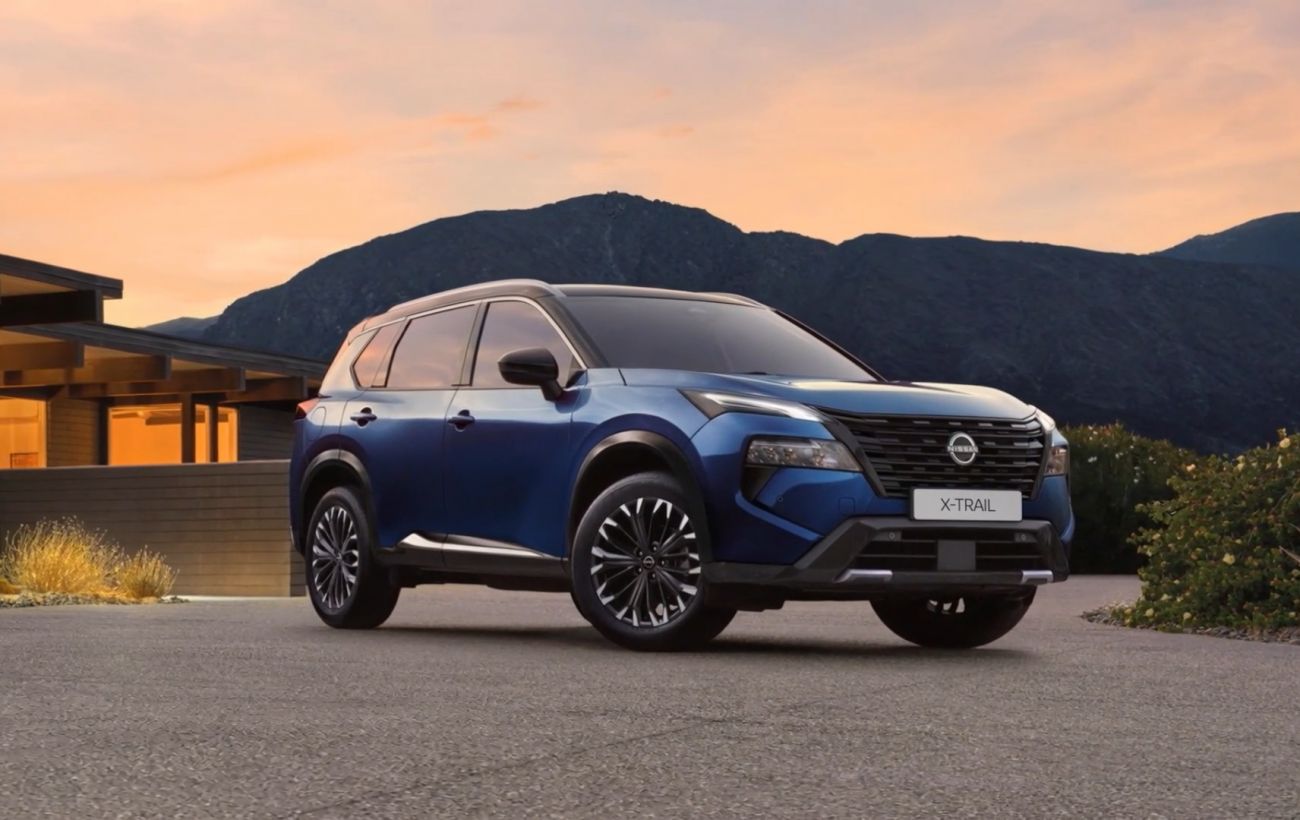
Photo: rbc.ua
Key points
- Hybrids remain the most fuel-efficient choice amid high energy costs
- Three main types of hybrids offer varying levels of electrification
- Standard HEVs require no external charging, fitting local conditions
- Series hybrids combine EV drivability with traditional refueling ease
Despite fluctuating fuel prices at filling stations, hybrid vehicles continue to lead in terms of fuel efficiency. Over the past twenty-five years, hybrids have evolved from experimental eco-friendly alternatives into sophisticated, reliable machinery. Their core advantage lies in intelligently combining a traditional internal combustion engine with electric propulsion to minimize wasted energy.
Key Types of Hybrid Powertrains
The automotive market currently features three primary types of dual-power systems, each tailored to different driving conditions. Conventional hybrids (HEVs) combine a petrol engine with an electric motor, charging the battery dynamically while driving and through regenerative braking. This universal setup requires no changes to driving habits.
Plug-in hybrids (PHEVs) offer larger batteries that can be charged via an external power outlet, enabling pure electric driving for significant distances. While ideal for budget-conscious motorists with home charging access, their initial price tag is notably higher. Meanwhile, mild hybrids (MHEVs) represent the most affordable category, though their compact electric motor primarily assists during acceleration to reduce emissions rather than significantly cutting fuel consumption.
Why Standard Hybrids Suit Ukrainian Realities Best
Given local infrastructure conditions, standard hybrids (HEV) are particularly appealing to Ukrainian drivers. Automakers have developed various sub-types, such as series hybrids. In models like the Nissan X-Trail e-POWER, the petrol engine acts strictly as an onboard generator, while the electric motor drives the wheels.
This layout grants drivers all the benefits of an electric vehicle—such as smooth acceleration and high efficiency—without range anxiety or charging infrastructure hurdles. The combustion engine operates in its most optimal regime, yielding impressive fuel economy without requiring the driver to plug the car into a wall socket.
Hybrid systems successfully bridge the gap between traditional fuel autonomy and electric efficiency.
Source rbc.ua — auto.rbc.ua/ukr/news/avto-gibridi-zrazok-ekonomichnosti-ale-chomu-17946… ↗
Read next
 🏢Бізнес
Saving a Water-Damaged Smartphone: 4 Mistakes to Avoid
Experts debunk common myths about drying gadgets and offer professional advice to prevent costly repairs.
 🏢Бізнес
EU spent more on Russian energy than on aid to Ukraine, European Commission data shows
Since 2022, EU member states have paid Russia more for energy imports than the total financial support provided to Ukraine.
 🏢Бізнес
SpaceX hires Washington lobbyists ahead of potential US Congressional probes
Elon Musk's aerospace company has engaged professional lobbyists to navigate upcoming Congressional scrutiny regarding Starlink operations in Ukraine.
 🏢Бізнес
Strikes on the Crimean Bridge: Economic Impact on Logistics and Shipping
Damage to the Crimean Bridge by Ukrainian missiles creates significant logistical hurdles for the Russian Federation and disrupts maritime trade.
 🏢Бізнес
EU to Provide €1 Billion for Military Equipment for Ukraine
The Council of the European Union has approved a new military aid package via the European Peace Facility to strengthen Ukraine's defense capabilities.
 🏢Бізнес
Russian strike destroys Fresh Production Group's film studio
On the night of November 20, a Russian attack completely destroyed the filming studio of a prominent Ukrainian production company. No casualties were reported.