Lessons of Ancient Fiscal Policy: How Unusual Taxes Saved the State Treasury
The historical experience of Roman Emperor Vespasian demonstrates how harsh and unconventional fiscal measures helped overcome deep economic crises.
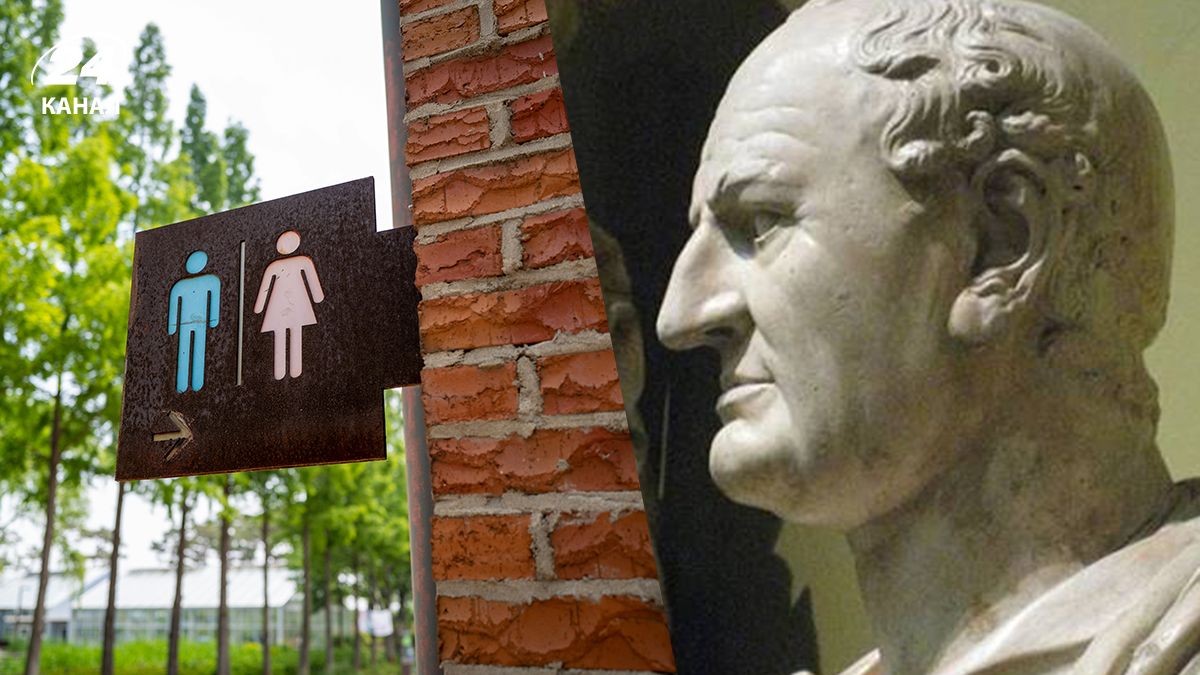 🧠AI Analysis
Photo: 24tv.ua
Key points
- Emperor Vespasian restored Rome's economy after civil war using strict tax policies.
- A tax on public restrooms generated revenue by supplying raw materials to local craftsmen.
- The collected funds were used for infrastructure recovery and amphitheater construction.
- The ruler's fiscal pragmatism originated a famous phrase about the nature of money.
Financial stability during periods of crisis often forces governments to implement unpopular measures. A historical example of this approach is the rule of Roman Emperor Vespasian, who came to power in 69 AD following devastating civil conflicts. The state treasury was depleted, and Rome required large-scale reconstruction, forcing the new ruler to seek additional revenue through a comprehensive overhaul of fiscal policy.
unconventional sources of budget revenue
Vespasian reinstated canceled fees and introduced new taxes, earning a reputation as a stringent and frugal leader. His most famous decision involved taxing public restrooms, as the urine collected from them was actively used by contemporary craftsmen for cleaning and processing textiles. This step turned waste into valuable raw material for the light industry of antiquity, securing a steady stream of income for the state budget.
"Money does not smell," the emperor replied to his son Titus, who rebuked him over what he considered a thoroughly distasteful source of revenue.
Despite public discontent and accusations of excessive mercantile behavior, the mobilized resources helped finance ambitious infrastructure projects, notably the beginning of construction on the legendary Colosseum on the site of Emperor Nero's former luxury estate. The ruler's fiscal pragmatism demonstrated that emerging from deep economic depression often requires looking beyond conventional societal views on the morality of revenue sources.
Source 24tv.ua — 24tv.ua/imperator-vespasian-yak-chomu-vin-obklav-podatkom-tualeti-rimi_… ↗
Read next
 🏢Бізнес
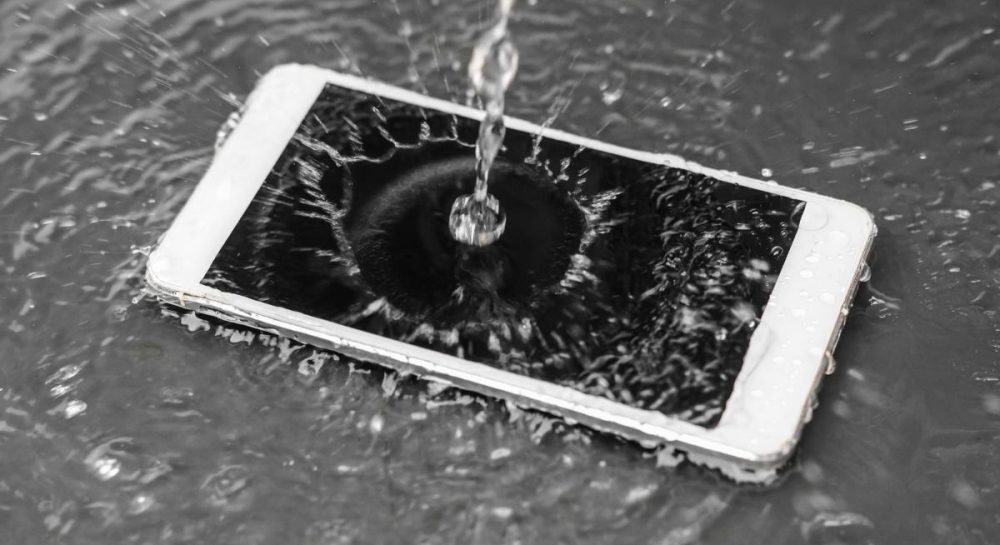
Saving a Water-Damaged Smartphone: 4 Mistakes to Avoid
Experts debunk common myths about drying gadgets and offer professional advice to prevent costly repairs.
 🏢Бізнес
EU spent more on Russian energy than on aid to Ukraine, European Commission data shows
Since 2022, EU member states have paid Russia more for energy imports than the total financial support provided to Ukraine.
 🏢Бізнес
SpaceX hires Washington lobbyists ahead of potential US Congressional probes
Elon Musk's aerospace company has engaged professional lobbyists to navigate upcoming Congressional scrutiny regarding Starlink operations in Ukraine.
 🏢Бізнес
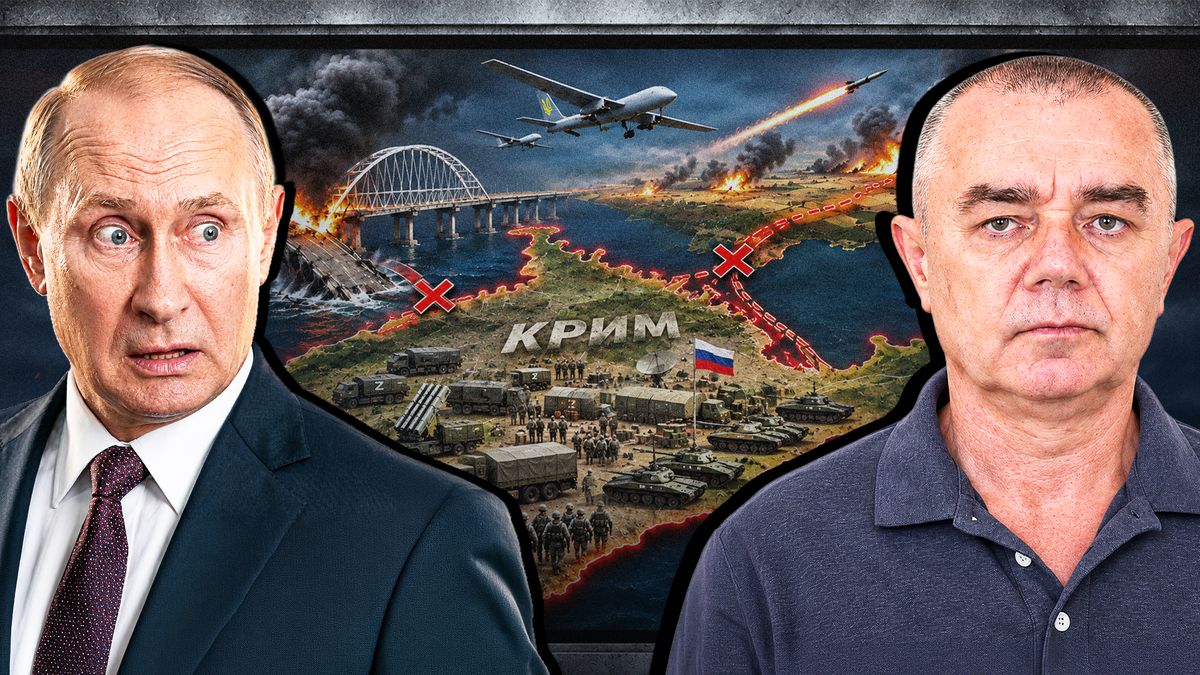
Strikes on the Crimean Bridge: Economic Impact on Logistics and Shipping
Damage to the Crimean Bridge by Ukrainian missiles creates significant logistical hurdles for the Russian Federation and disrupts maritime trade.
 🏢Бізнес
EU to Provide €1 Billion for Military Equipment for Ukraine
The Council of the European Union has approved a new military aid package via the European Peace Facility to strengthen Ukraine's defense capabilities.
 🏢Бізнес
Russian strike destroys Fresh Production Group's film studio
On the night of November 20, a Russian attack completely destroyed the filming studio of a prominent Ukrainian production company. No casualties were reported.