Fuel Imports and Defense Needs: Why the Dollar is Rising and What to Expect from the Hryvnia
Rising foreign currency demand in Ukraine is driven by government procurement, military needs, and energy imports. The National Bank uses international reserves to smooth out market fluctuations.
 🧠AI Analysis
Photo: rbc.ua
Key points
- Government and military are primary buyers of foreign currency
- Higher energy and fuel import costs pressure the local currency
- NBU utilizes international reserves to smooth out market volatility
- International financial aid remains a key pillar of monetary stability
Ukraine's foreign exchange market has recently faced additional pressure due to several fundamental factors. Financial sector experts point out that the state and the defense sector are currently the main buyers of foreign currency, as they need to make large-scale overseas payments for weapons, equipment, and fuel supplies.
Impact of Government Imports and Business on the Forex Market
In addition to public sector needs, commercial imports significantly affect the exchange rate. Companies are forced to purchase more expensive diesel fuel, raw materials, and components abroad, which automatically increases the demand for US dollars and euros. Meanwhile, export performance remains challenging, creating a foreign trade imbalance. Sergiy Mamedov, Chairman of the Management Board of Globus Bank, noted that there is no panic-driven demand from ordinary citizens, with the main pressure coming from macroeconomic factors and wartime necessities.
The National Bank of Ukraine closely monitors capital flows and utilizes substantial international reserves to cover currency shortages. According to the banker, the regulator aims to ensure monetary stability while gradually introducing greater exchange rate flexibility. This approach helps avoid sudden shocks, though it allows for moderate fluctuations in both directions.
The Role of International Aid and Stability Prospects
A crucial safeguard against sharp devaluation remains regular financial support from Western partners. The steady inflow of these funds enables the NBU to maintain a controlled situation without depleting foreign exchange reserves. However, experts emphasize the importance of strategically utilizing this assistance to stimulate domestic production and investments.
“Fuel is getting more expensive, procurement amounts are increasing, Ukraine is forced to import more, and business must protect itself from risks,” explained Sergiy Mamedov.
Financial analysts urge citizens and businesses to approach foreign currency savings sensibly and account for risks associated with the ongoing war. In the long term, the stability of the hryvnia will depend on both the volume of international aid and the economy's ability to adapt to current challenges.
Source rbc.ua — rbc.ua/ukr/news/import-palnogo-ta-potrebi-armiyi-tisnut-grivnyu-179… ↗
Read next
 🏢Бізнес
Saving a Water-Damaged Smartphone: 4 Mistakes to Avoid
Experts debunk common myths about drying gadgets and offer professional advice to prevent costly repairs.
 🏢Бізнес
EU spent more on Russian energy than on aid to Ukraine, European Commission data shows
Since 2022, EU member states have paid Russia more for energy imports than the total financial support provided to Ukraine.
 🏢Бізнес
SpaceX hires Washington lobbyists ahead of potential US Congressional probes
Elon Musk's aerospace company has engaged professional lobbyists to navigate upcoming Congressional scrutiny regarding Starlink operations in Ukraine.
 🏢Бізнес
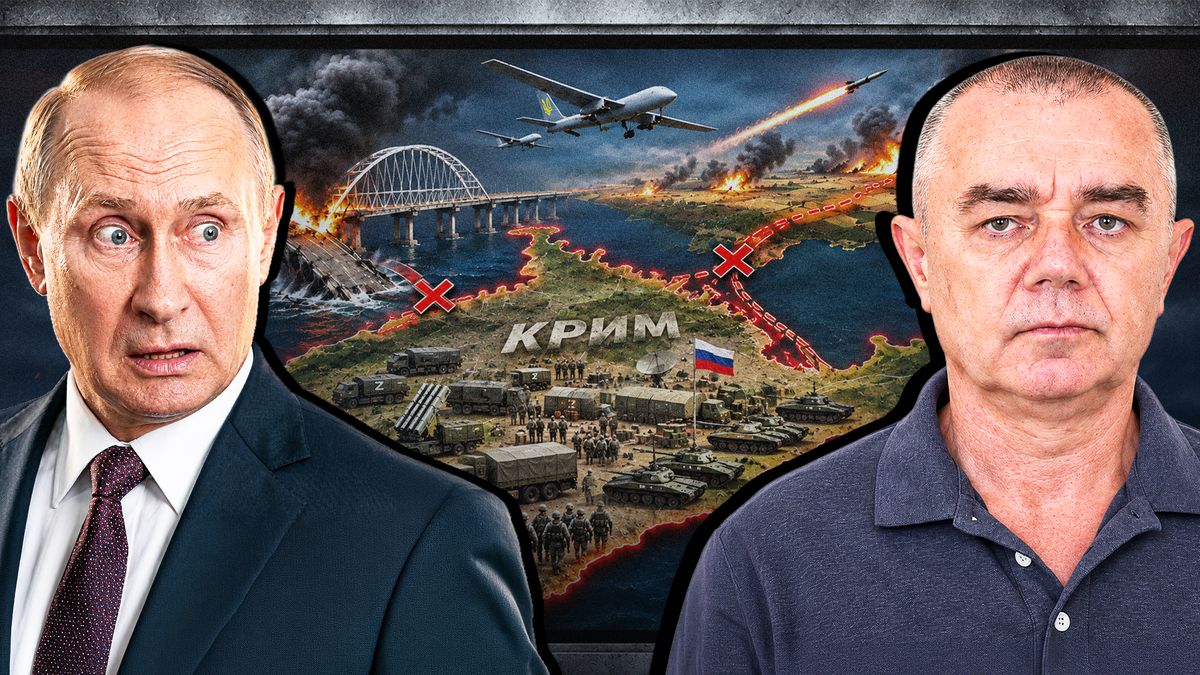
Strikes on the Crimean Bridge: Economic Impact on Logistics and Shipping
Damage to the Crimean Bridge by Ukrainian missiles creates significant logistical hurdles for the Russian Federation and disrupts maritime trade.
 🏢Бізнес
EU to Provide €1 Billion for Military Equipment for Ukraine
The Council of the European Union has approved a new military aid package via the European Peace Facility to strengthen Ukraine's defense capabilities.
 🏢Бізнес
Russian strike destroys Fresh Production Group's film studio
On the night of November 20, a Russian attack completely destroyed the filming studio of a prominent Ukrainian production company. No casualties were reported.