Nearly a Million Tons of Fuel by Sea: HUR Details Russia's Emergency Imports
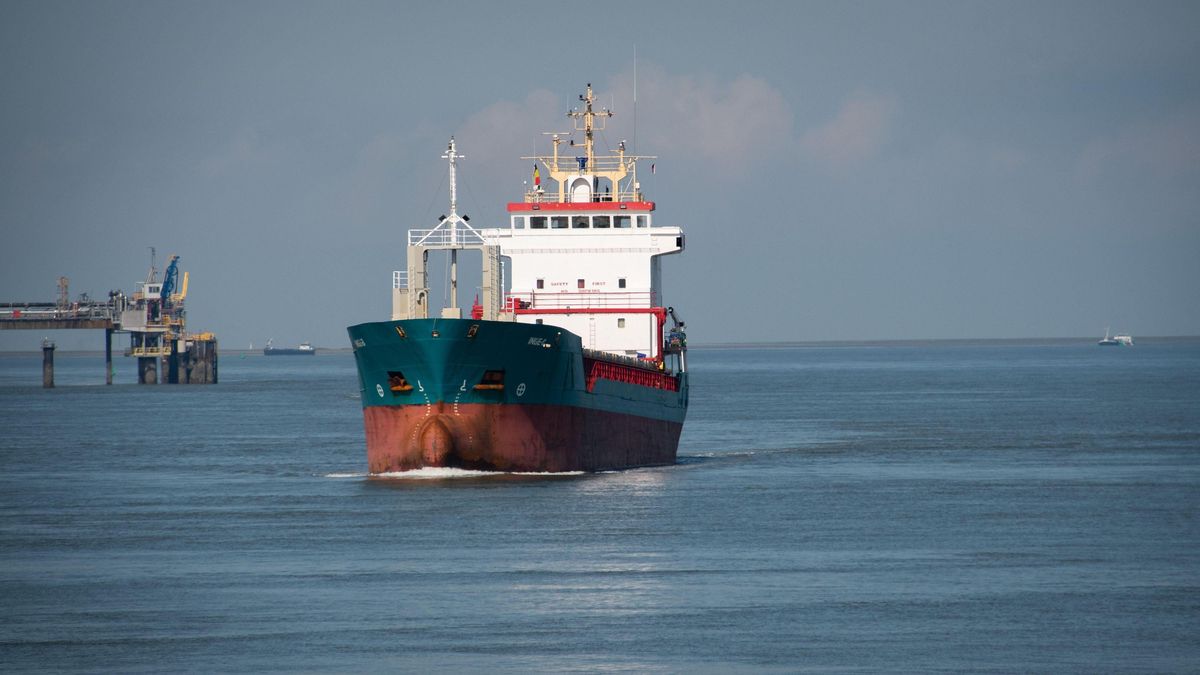
Systematic drone strikes on Russian refineries have forced Moscow to import hundreds of thousands of tons of fuel by sea.
 🧠AI Analysis
Photo: 24tv.ua
Key points
- HUR reports nearly 1 million tons of fuel imported to Russia by sea
- Gasoline constitutes the majority of the emergency shipments
- Shadow fleet and open-sea transfers were used to bypass sanctions
Systematic Ukrainian drone strikes against Russian oil refining facilities have triggered a severe domestic fuel crisis. Facing acute shortages, Moscow was forced to urgently import hundreds of thousands of tons of gasoline and diesel from abroad.
Scale and Shadow Logistics
According to military intelligence, between July 18 and October 22, 2026, Russia imported nearly 989,000 tons of fuel and high-octane additives by sea. Over this period, the aggressor state received 39 shipments carried by 30 tankers.
Gasoline accounted for the largest share at over 72%, alongside diesel, Jet A-1 aviation fuel, and MTBE additives. Primary reception points included northwestern Russian ports such as Vitino and Vysotsk, which handled over half of the total volume. To bypass restrictions, organizers actively used shadow schemes: 13 of the 30 tankers were under Western sanctions, and over 20% of the volume underwent ship-to-ship transfers in international waters near Egypt and Spain with navigation systems turned off.
Despite utilizing transit hubs in countries like India, Egypt, and China, imported fuel turned out to be much more expensive than domestic products.
The high cost and complex logistics created domestic market frictions inside Russia, leaving several shipments stranded in ports due to pricing issues.
Source 24tv.ua — 24tv.ua/defitsit-palnogo-rosiyi-zvidki-skilki-moskva-tayemno-importuye_… ↗
Read next
 🏢Бізнес
Saving a Water-Damaged Smartphone: 4 Mistakes to Avoid
Experts debunk common myths about drying gadgets and offer professional advice to prevent costly repairs.
 🏢Бізнес
EU spent more on Russian energy than on aid to Ukraine, European Commission data shows
Since 2022, EU member states have paid Russia more for energy imports than the total financial support provided to Ukraine.
 🏢Бізнес
SpaceX hires Washington lobbyists ahead of potential US Congressional probes
Elon Musk's aerospace company has engaged professional lobbyists to navigate upcoming Congressional scrutiny regarding Starlink operations in Ukraine.
 🏢Бізнес
Strikes on the Crimean Bridge: Economic Impact on Logistics and Shipping
Damage to the Crimean Bridge by Ukrainian missiles creates significant logistical hurdles for the Russian Federation and disrupts maritime trade.
 🏢Бізнес
EU to Provide €1 Billion for Military Equipment for Ukraine
The Council of the European Union has approved a new military aid package via the European Peace Facility to strengthen Ukraine's defense capabilities.
 🏢Бізнес
Russian strike destroys Fresh Production Group's film studio
On the night of November 20, a Russian attack completely destroyed the filming studio of a prominent Ukrainian production company. No casualties were reported.