IMF Sharply Downgrades Ukraine's Economic Outlook: GDP Contraction and Billion-Dollar Funding Gaps Expected
The International Monetary Fund has revised its macroeconomic outlook for Ukraine due to the protracted war and infrastructure destruction, projecting economic contraction and a significant funding deficit.
 🧠AI Analysis
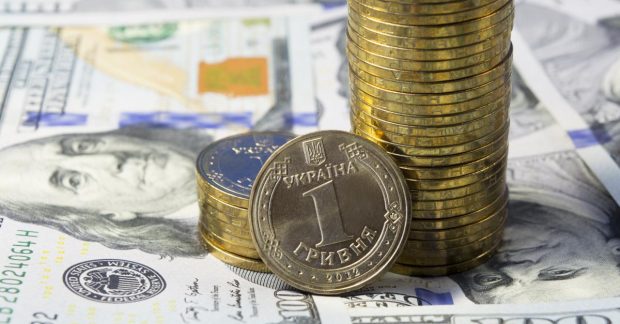
Photo: unian.ua
Key points
- IMF projects Ukraine's GDP to drop by 0.5% in 2026 and 1% in 2027
- Additional financing deficit in 2027 estimated at $32-34 billion
- Fund proposes scenarios to double or significantly raise utility tariffs for households
- Banking sector remains stable with growing lending activity
The International Monetary Fund has released a more pessimistic macroeconomic forecast for Ukraine, significantly revising figures for 2026 and 2027. While previously anticipating a gradual recovery and economic growth, Fund experts now project a 0.5% GDP contraction this year and another 1% decline next year. These adjustments stem from reassessed security risks and the assumption that active hostilities will continue throughout 2027.
Economic Pressures and Financing Deficit
According to Gavin Gray, head of the IMF mission to Ukraine, the key drivers behind the downgraded outlook are intensified Russian attacks on the energy grid, supply routes, and economic infrastructure overall. Amid these challenges, the state's budgetary needs are expanding: additional financing gaps are estimated at $32–34 billion in 2027 and another $17 billion in 2028. The energy sector remains a separate focal point of negotiations, having suffered massive damage and requiring extensive resources for reconstruction.
Despite macroeconomic risks, Ukraine's banking sector demonstrates resilience—remaining liquid and profitable with low non-performing loan ratios, while lending grew by 31.6% year-over-year in the second quarter of 2026. Meanwhile, the IMF and Ukrainian authorities continue discussions on conditions under the $8.1 billion financing program, which could unlock a $1.6 billion tranche upon fulfillment of commitments.
Ukraine's economic outlook remains exceptionally uncertain, with risks firmly tilted to the downside, the IMF emphasized.
State regulation of utility tariffs remains a debated issue. According to the Fund's report, state price controls on electricity and gas for households consumed up to 3.7% of GDP annually between 2024 and 2026. Consequently, the IMF suggests considering scenarios for gradual tariff adjustments that would increase household utility prices by more than 50% or even double them to optimize public spending.
Source unian.ua — unian.ua/economics/finance/ekonomika-ukrajini-padatime-v-mvf-ozvuch… ↗
Read next
 🏢Бізнес
Saving a Water-Damaged Smartphone: 4 Mistakes to Avoid
Experts debunk common myths about drying gadgets and offer professional advice to prevent costly repairs.
 🏢Бізнес
EU spent more on Russian energy than on aid to Ukraine, European Commission data shows
Since 2022, EU member states have paid Russia more for energy imports than the total financial support provided to Ukraine.
 🏢Бізнес
SpaceX hires Washington lobbyists ahead of potential US Congressional probes
Elon Musk's aerospace company has engaged professional lobbyists to navigate upcoming Congressional scrutiny regarding Starlink operations in Ukraine.
 🏢Бізнес
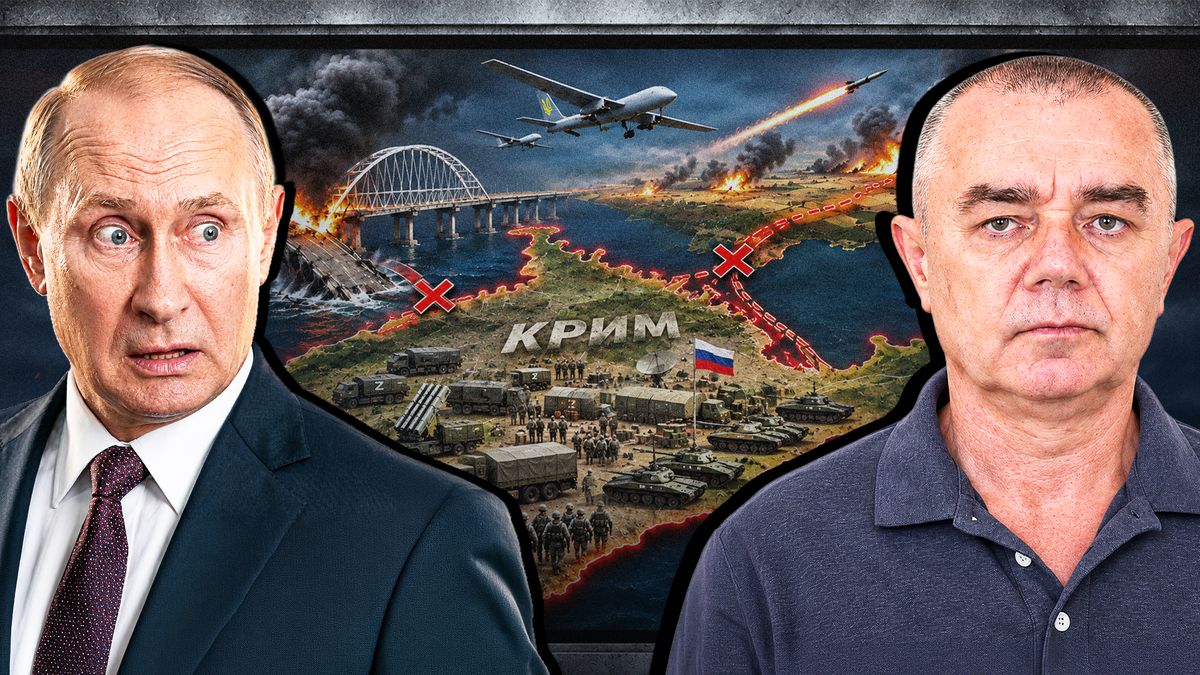
Strikes on the Crimean Bridge: Economic Impact on Logistics and Shipping
Damage to the Crimean Bridge by Ukrainian missiles creates significant logistical hurdles for the Russian Federation and disrupts maritime trade.
 🏢Бізнес
EU to Provide €1 Billion for Military Equipment for Ukraine
The Council of the European Union has approved a new military aid package via the European Peace Facility to strengthen Ukraine's defense capabilities.
 🏢Бізнес
Russian strike destroys Fresh Production Group's film studio
On the night of November 20, a Russian attack completely destroyed the filming studio of a prominent Ukrainian production company. No casualties were reported.