Tеies with the aggressor: Why Austrian Raiffeisen still finances the Russian market and what it means for Ukraine
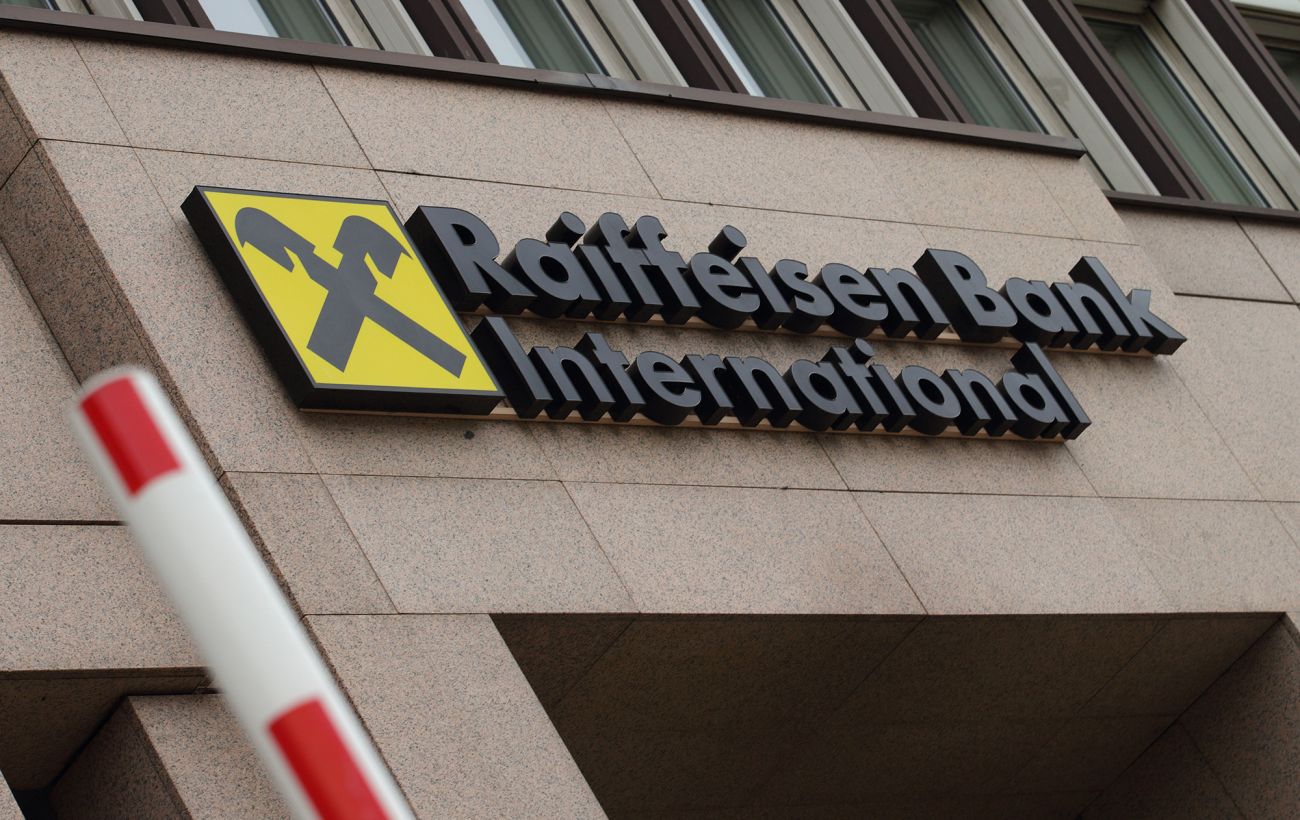
Austrian banking group Raiffeisen Bank International continues to hold shares of sanctioned Russian companies in its funds and generate millions in profits, despite years of promises to exit the market.
 🧠AI Analysis
Photo: rbc.ua
Key points
- Raiffeisen holds shares of sanctioned Russian companies in funds
- Russian division generates significant profits for the parent group
- Ukrainian bank emphasizes its legal independence
- Russian authorities continue blocking attempts to sell banking assets
The presence of major European financial institutions in the aggressor state's market remains one of the most sensitive issues in the European banking sector. Despite repeated statements by management regarding intentions to wind down operations, the Austrian group Raiffeisen Bank International still maintains a powerful footprint in Russia. According to published financial reports and journalistic investigations, investment funds belonging to the Russian subsidiary continue to hold significant stakes in enterprises under international sanctions.
Millions in profits and taxes to the Russian budget
An analysis of financial indicators shows that the Russian segment remains exceptionally profitable for the entire European group. In the first half of 2026 alone, the local structure earned about 550 million euros, accounting for a substantial share of the holding's total income. According to international research initiatives, the total amount of tax payments directed to the Russian treasury since the full-scale invasion is estimated in the billions of euros.
Furthermore, the subsidiary retains access to the SWIFT messaging system, allowing it to service cross-border transactions for Russian businesses. At the same time, analysts and investigators have repeatedly pointed to potential transactions related to the Russian defense sector. Group management denies violating sanctions, citing internal audits and the complexity of exiting due to Russian legislation.
Position of the Ukrainian subsidiary and risks for clients
The situation surrounding the parent structure creates serious reputational challenges for the Ukrainian market. Raiffeisen Bank in Ukraine has repeatedly emphasized its complete legal independence and strict compliance with Ukrainian legislation and international sanctions.
«Raiffeisen Bank is a Ukrainian bank and a separate legal entity registered and operating in Ukraine,» — the financial institution stated.
For ordinary Ukrainians and small businesses, such news is largely of a reputational nature, as the Ukrainian subsidiary operates under NBU standards and remains a stable market player. However, the prolonged delay in the European brand's exit from Russia undermines trust in international institutions as a whole and may prompt regulators to step up pressure on other Western companies.
Source rbc.ua — rbc.ua/ukr/news/raiffeisen-trimae-investfondah-aktsiyi-pidsanktsiyn… ↗
Read next
 🏢Бізнес
Saving a Water-Damaged Smartphone: 4 Mistakes to Avoid
Experts debunk common myths about drying gadgets and offer professional advice to prevent costly repairs.
 🏢Бізнес
EU spent more on Russian energy than on aid to Ukraine, European Commission data shows
Since 2022, EU member states have paid Russia more for energy imports than the total financial support provided to Ukraine.
 🏢Бізнес
SpaceX hires Washington lobbyists ahead of potential US Congressional probes
Elon Musk's aerospace company has engaged professional lobbyists to navigate upcoming Congressional scrutiny regarding Starlink operations in Ukraine.
 🏢Бізнес
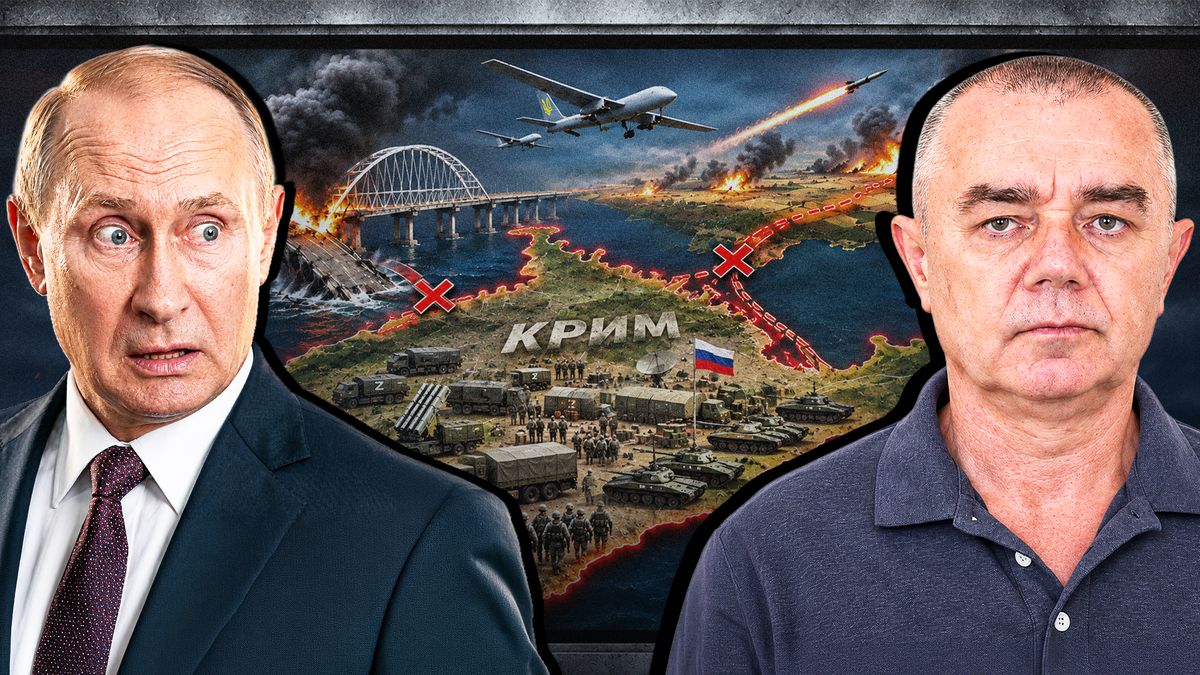
Strikes on the Crimean Bridge: Economic Impact on Logistics and Shipping
Damage to the Crimean Bridge by Ukrainian missiles creates significant logistical hurdles for the Russian Federation and disrupts maritime trade.
 🏢Бізнес
EU to Provide €1 Billion for Military Equipment for Ukraine
The Council of the European Union has approved a new military aid package via the European Peace Facility to strengthen Ukraine's defense capabilities.
 🏢Бізнес
Russian strike destroys Fresh Production Group's film studio
On the night of November 20, a Russian attack completely destroyed the filming studio of a prominent Ukrainian production company. No casualties were reported.