Curiosity Rover Data Points to Surface Water on Mars, Study Reveals
Analysis of over a decade of data from the Curiosity rover suggests the possible presence of surface water on Mars in the form of thin films or soil-bound moisture.
 🧠AI Analysis
Photo: 24tv.ua
Key points
- The Curiosity rover investigated the Martian atmosphere from 2012 to 2025.
- Seasonal shifts in oxygen isotopes within carbon dioxide were detected.
- Interaction between gas and microscopic water on the soil is suggested as a likely cause.
Modern space research focuses not only on discovering new planets but also on analyzing conditions on neighboring celestial bodies. A recent scientific review of data collected by NASA's Curiosity rover over more than a decade reveals new details regarding the climate and atmospheric properties of Mars. Researchers concentrated on studying the isotopic composition of the Martian atmosphere, which is predominantly composed of carbon dioxide.
Isotopic Analysis and Seasonal Fluctuations
A team of scientists examined air samples from Gale Crater gathered between 2012 and 2025 using the onboard SAM laboratory suite. Experts paid special attention to the ratio of heavy and light isotopes of carbon and oxygen within the carbon dioxide gas. The findings show that during spring and summer, the amount of heavy oxygen in the atmosphere noticeably increases, peaking when the planet makes its closest approach to the Sun.
«Isotope exchange between carbon dioxide and water can produce larger variations than other processes», — researchers note.
By comparing these findings with various climate models, scientists hypothesized that these fluctuations could be explained by the interaction of carbon dioxide with microscopic amounts of water. This refers to moisture bound to soil particles or existing as ultra-thin liquid-like films on the surface, formed through premelting processes at low temperatures.
- The study spans observation data collected from 2012 to 2025.
- Key measurements were taken within Gale Crater near the Martian equator.
- Scientists emphasize that local processes cannot yet be extrapolated to the entire planet.
Despite the significance of the findings, researchers urge caution in their conclusions. All samples were gathered from a single location, making it impossible to definitively confirm the global prevalence of such water phenomena. Future missions and further measurements will help determine whether these patterns remain stable and how they are affected by massive Martian dust storms.
Source 24tv.ua — 24tv.ua/curiosity-znayshov-oznaki-malih-obsyagiv-vodi-poverhni-marsa_n3… ↗
Read next
 🏢Бізнес
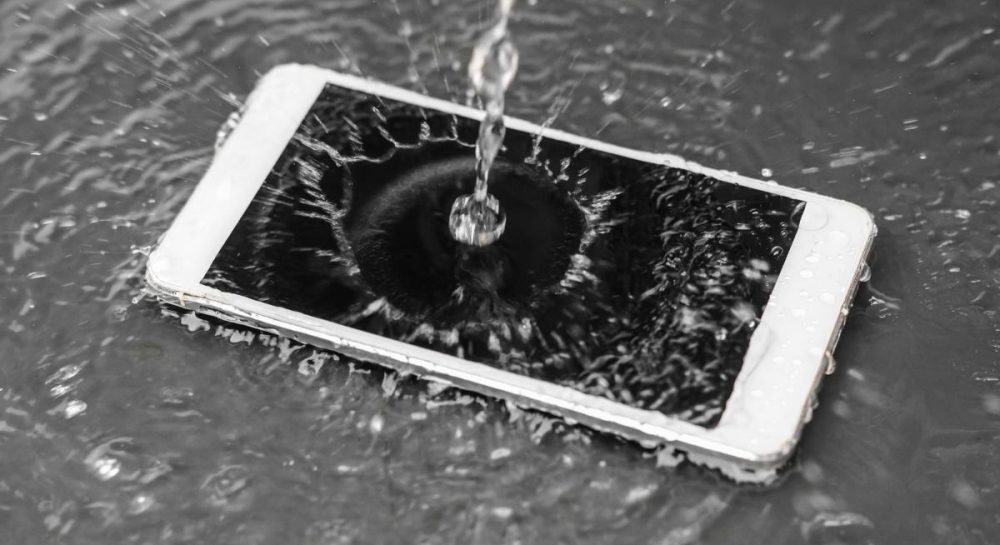
Saving a Water-Damaged Smartphone: 4 Mistakes to Avoid
Experts debunk common myths about drying gadgets and offer professional advice to prevent costly repairs.
 🏢Бізнес
EU spent more on Russian energy than on aid to Ukraine, European Commission data shows
Since 2022, EU member states have paid Russia more for energy imports than the total financial support provided to Ukraine.
 🏢Бізнес
SpaceX hires Washington lobbyists ahead of potential US Congressional probes
Elon Musk's aerospace company has engaged professional lobbyists to navigate upcoming Congressional scrutiny regarding Starlink operations in Ukraine.
 🏢Бізнес
Strikes on the Crimean Bridge: Economic Impact on Logistics and Shipping
Damage to the Crimean Bridge by Ukrainian missiles creates significant logistical hurdles for the Russian Federation and disrupts maritime trade.
 🏢Бізнес
EU to Provide €1 Billion for Military Equipment for Ukraine
The Council of the European Union has approved a new military aid package via the European Peace Facility to strengthen Ukraine's defense capabilities.
 🏢Бізнес
Russian strike destroys Fresh Production Group's film studio
On the night of November 20, a Russian attack completely destroyed the filming studio of a prominent Ukrainian production company. No casualties were reported.