Russia Approves Record Military Budget: Every Third Ruble Goes to the Army
The Russian State Duma has adopted the 2027–2029 budget featuring record military expenditures and cuts to social programs. Defense and security forces will absorb nearly half of the state treasury.
 🧠AI Analysis
Photo: unian.ua
Key points
- Record military spending in Russia will reach 35% of the budget in 2027
- Total security and defense expenditures will hit 21.3 trillion rubles or 44%
- Funding cuts implemented for social programs, healthcare, and the economy
- Introduction of new taxes, including raising PIT to 22% on bank deposits
The State Duma of the Russian Federation has officially approved the federal budget law for 2027–2029, cementing the unprecedented militarization of the country's economy. According to the new financial plans, the Russian government will channel every third ruble from the state treasury—amounting to 35% of all expenditures—into military needs and weapons procurement. The national defense allocation will increase by 32% to reach 17.1 trillion rubles, compared to 12.9 trillion this year. Combined with the national security block, which includes the police, security services, and the penitentiary system, total spending on law enforcement and military structures will hit 44% of the budget, or 21.3 trillion rubles.
Cuts to Civilian Sectors and Social Programs
Against the backdrop of surging military might, the Kremlin government is implementing sharp budget cuts across key civilian sectors. Spending on national economic support will drop by 3%, while healthcare and housing-and-communal services will see reductions of 3% and 8% respectively. Social support for the population will decrease by 6% to 6.65 trillion rubles. Major national projects faced radical reductions as well: the federal project "Large Family" will lose 40% of its funding, and "Prolonged and Active Life" will be cut by 20%.
To cover the record military demands, authorities are introducing additional fiscal instruments. These include an "excess profits tax" for gold mining companies and non-ferrous metal producers, a maximum personal income tax (PIT) rate of 22% on passive income and bank deposits, and a 22% VAT on purchases from foreign online stores. Despite these revenue-raising measures, the budget will remain in deficit, with government expenditures exceeding revenues by 5.4 trillion rubles next year.
The aggressor state's economy is showing signs of slowing growth, partly due to the disruptive impact of Ukrainian strikes on industrial facilities and logistical chains. In the third quarter, Russia's GDP grew by only 0.9%. Vitaliy Shapran, a member of the Ukrainian Society of Financial Analysts and a former NBU Council member, noted that if Defense Forces' strikes on vulnerable sectors of the enemy's economy intensify, Russia could face a severe economic crisis in 2027 that would impair the Kremlin's capacity to wage intensive warfare.
Source unian.ua — unian.ua/economics/finance/rosiya-zatverdila-rekordniy-viyskoviy-by… ↗
Read next
 🏢Бізнес
Saving a Water-Damaged Smartphone: 4 Mistakes to Avoid
Experts debunk common myths about drying gadgets and offer professional advice to prevent costly repairs.
 🏢Бізнес
EU spent more on Russian energy than on aid to Ukraine, European Commission data shows
Since 2022, EU member states have paid Russia more for energy imports than the total financial support provided to Ukraine.
 🏢Бізнес
SpaceX hires Washington lobbyists ahead of potential US Congressional probes
Elon Musk's aerospace company has engaged professional lobbyists to navigate upcoming Congressional scrutiny regarding Starlink operations in Ukraine.
 🏢Бізнес
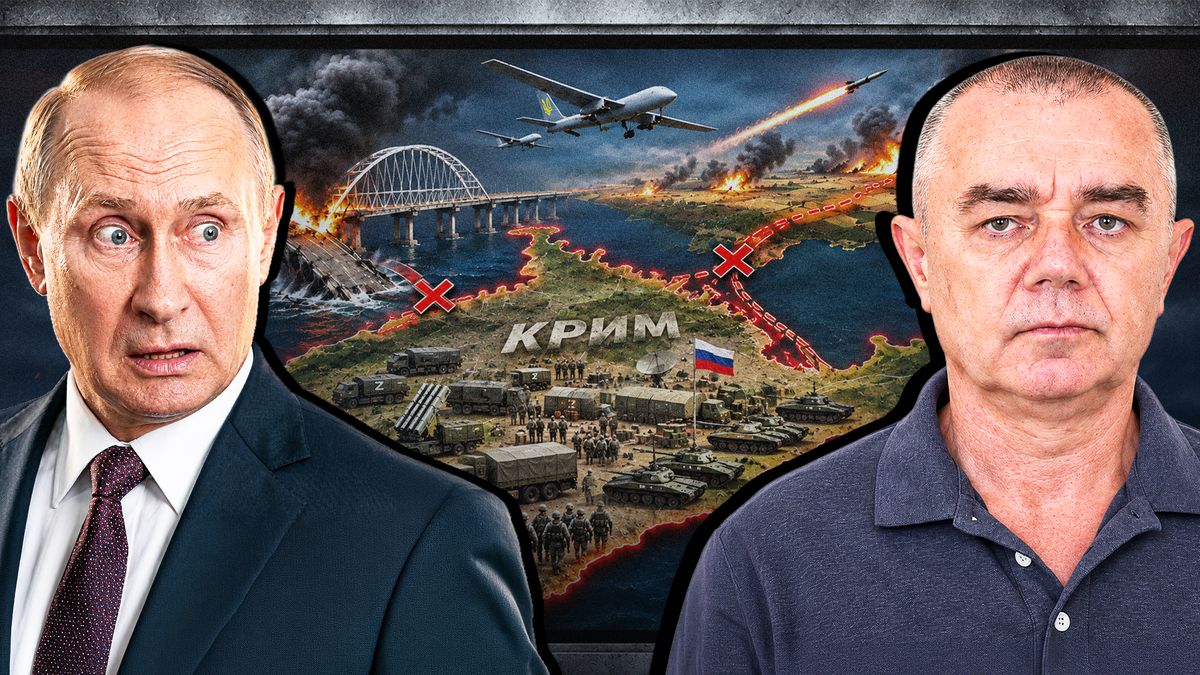
Strikes on the Crimean Bridge: Economic Impact on Logistics and Shipping
Damage to the Crimean Bridge by Ukrainian missiles creates significant logistical hurdles for the Russian Federation and disrupts maritime trade.
 🏢Бізнес
EU to Provide €1 Billion for Military Equipment for Ukraine
The Council of the European Union has approved a new military aid package via the European Peace Facility to strengthen Ukraine's defense capabilities.
 🏢Бізнес
Russian strike destroys Fresh Production Group's film studio
On the night of November 20, a Russian attack completely destroyed the filming studio of a prominent Ukrainian production company. No casualties were reported.