Japan Achieves Breakthrough in Railgun Technology with Rapid-Fire Tests
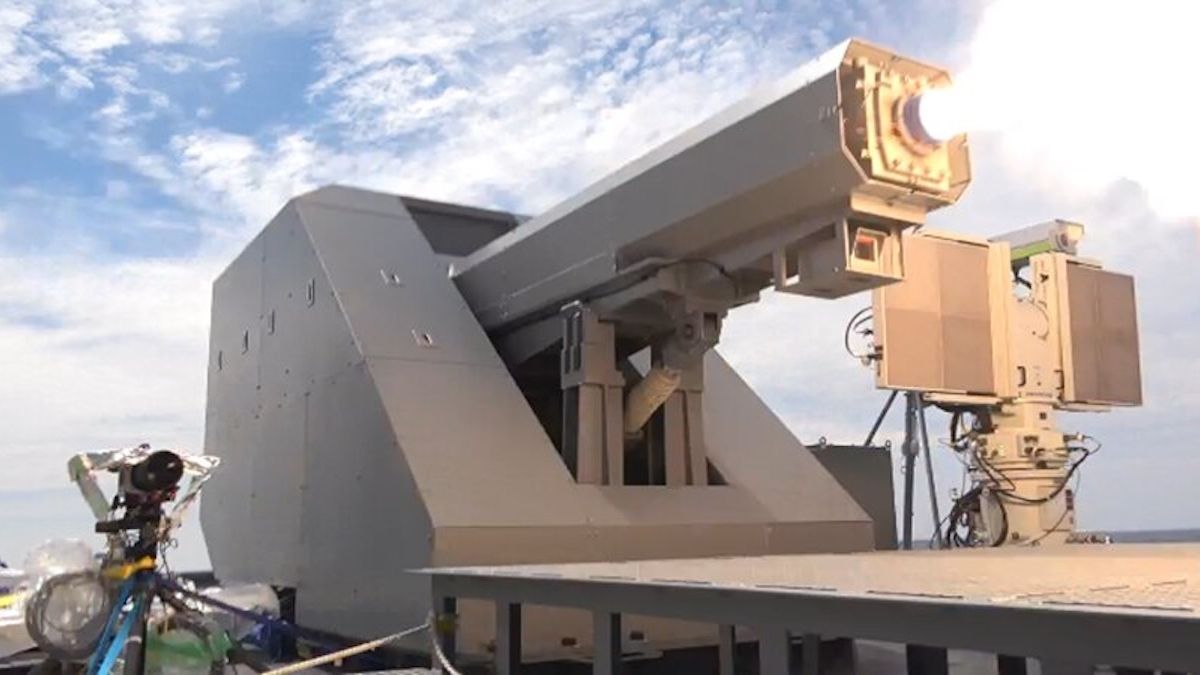
Japan's ATLA has successfully tested a battery-powered 16mm railgun capable of firing ten consecutive shots.
 🏢Бізнес
Photo: 24tv.ua
Key points
- Successfully fired 10 consecutive rounds with 10-second intervals.
- Utilized lithium-titanate batteries for rapid energy discharge.
- Test focused on power system efficiency rather than maximum velocity.
- Aimed at enhancing missile defense and naval combat capabilities.
The Japanese Acquisition, Technology & Logistics Agency (ATLA) has reached a significant milestone in the development of electromagnetic railguns. During a recent technological symposium, researchers revealed that an experimental 16mm railgun successfully performed ten consecutive shots, marking a major step forward in weapon system reliability and power management.
Advanced Power Delivery
The core of this achievement lies in a new power system utilizing lithium-titanate batteries. These batteries are specifically designed for high-rate discharge, allowing the railgun to accumulate and release the massive amounts of energy required for electromagnetic propulsion in short intervals. During the tests, the system maintained a firing rate of one shot approximately every ten seconds, with projectiles reaching speeds of 240 meters per second.
Focus on Rapid Fire vs. Hypersonic Speed
While Japan has previously tested a larger 40mm shipboard railgun capable of hypersonic speeds exceeding 2,300 meters per second, this specific test focused on the power supply's endurance. The goal was to demonstrate that electromagnetic weapons could operate repeatedly without relying on massive, stationary power grids. This portability is crucial for integrating such weapons onto mobile military platforms.
Future Defense Applications
Japan envisions the railgun as a cornerstone of its future air and missile defense strategy. By using kinetic energy instead of explosives, these systems offer a cost-effective way to intercept incoming threats. ATLA has already conducted maritime trials, including successful target engagements from the experimental ship Asuka in 2025. However, challenges remain, particularly regarding barrel wear and the need for advanced cooling systems to handle the intense heat generated by high-voltage currents.
"The result could help create electromagnetic weapons capable of firing repeatedly without bulky energy equipment," researchers noted in their findings.
As Japan continues to refine both the 16mm compact versions and the 40mm high-velocity models, the focus shifts toward operational readiness and integration into the existing fire control systems of the Maritime Self-Defense Force.
Source 24tv.ua — 24tv.ua/yaponskiy-reykotron-zrobiv-10-postriliv-rezultati-viprobuvan_n3… ↗
Read next
 🧠AI Analysis
Geopolitical summit in China: expert assessment of the meeting between US, Chinese, and Russian leaders
Political scientist Ramiz Yunus analyzed the summit in Shenzhen, describing it as a media-driven event rather than a strategic diplomatic breakthrough.
 🏢Бізнес
EU to Provide €1 Billion for Military Equipment for Ukraine
The Council of the European Union has approved a new military aid package via the European Peace Facility to strengthen Ukraine's defense capabilities.
 🧠AI Analysis
Technological Superiority and the Crimean Bridge: Expert Analysis
Recent attacks on the Crimean Bridge demonstrate Ukraine's shift toward the systematic, industrial-scale deployment of high-tech military solutions.
 🧠AI Analysis
Zelenskyy Reaffirms Legitimacy of Strikes on Crimean Bridge
The President of Ukraine confirmed the strategic importance of disabling the Crimean Bridge as a legitimate military target in response to Russian aggression.
 🏢Бізнес
Russian strike destroys Fresh Production Group's film studio
On the night of November 20, a Russian attack completely destroyed the filming studio of a prominent Ukrainian production company. No casualties were reported.
 🏢Бізнес
Energy infrastructure in Rivne region damaged by attack: 50 settlements left without power
Following a hostile strike on the Sarny district of the Rivne region, 50 settlements have lost electricity, with repair efforts hindered by ongoing security alerts.