Striking the aggressor's energy sector: Why stopping the enemy requires destroying two-thirds of refineries
Despite disabling more than half of Russia's oil refining capacity, the aggressor's economy is currently sustaining itself due to the excessive safety margin of Soviet-era design. Experts explain what level of destruction is needed to permanently halt the military machine.
 🏢Бізнес
Photo: 24tv.ua
Key points
- Over half of Russian refineries are disabled
- Soviet architecture allows oil flows to be rerouted
- A real fuel shortage requires destroying 2/3 of capacity
- Strikes on ports and gas stations destroy enemy logistics
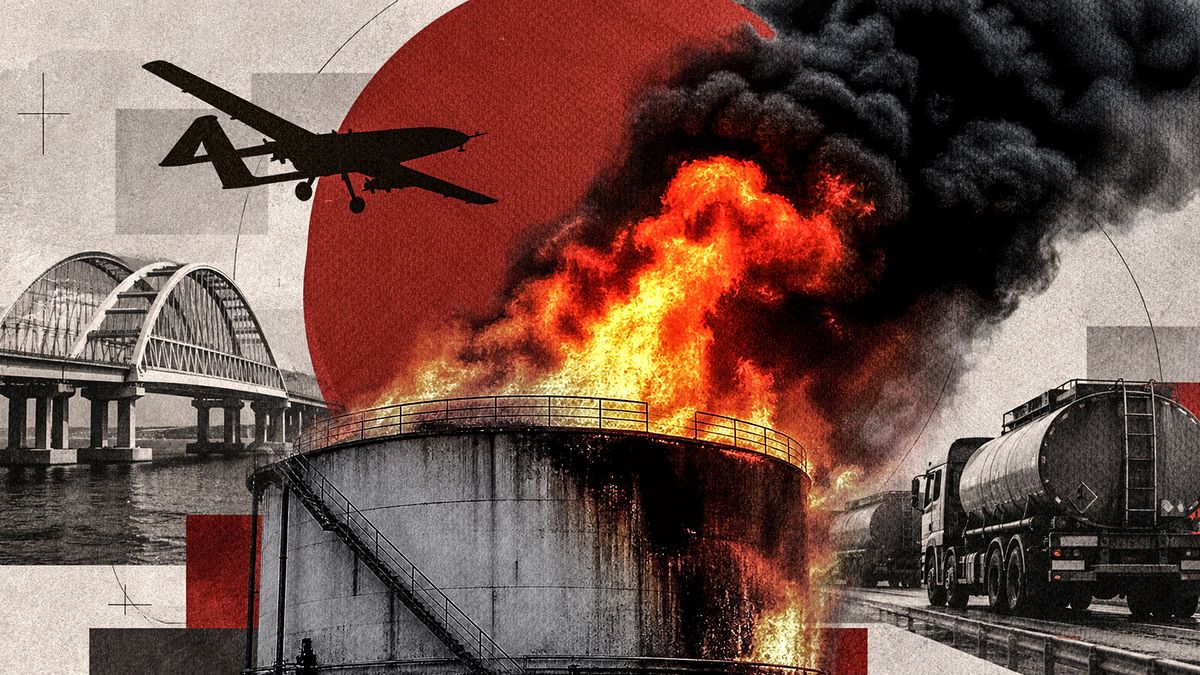
Ukrainian forces continue to systematically destroy the infrastructure that enables Russia to wage a full-scale war. Beyond frontline positions, strategic assets have come under fire, including oil refineries, fuel depots, ports, and logistical hubs. According to intelligence data and official statements, a significant portion of Russian refineries have already suspended operations or reduced production volumes. However, the enemy retains the capacity to reroute raw material flows.
Why 50% refinery damage is not enough for collapse
The architectural specifics of the Soviet oil and gas sector involved creating a massive safety margin with triple redundancy. Historically, facilities were designed so that extraction volumes significantly lagged behind processing capabilities. Consequently, during peacetime, most plants operated at only one-third of their actual potential. When Ukrainian drones strike one facility, the logistics system simply redirects oil to other surviving sites, functioning much like a branched circulatory system.
According to military experts, triggering an irreversible fuel deficit—primarily diesel, which is critical for heavy armored vehicles—requires disabling at least two-thirds of Russia's refining sector. Crossing this threshold will initiate an irreversible drop in production that domestic reserves can no longer compensate for.
Logistical pressure: Ports and gas stations in the crosshairs
In parallel with targeting refineries, the Defense Forces are striking port infrastructure and storage capacities. As refining slows down, the aggressor is forced to pump excess oil into buffer reservoirs along pipelines and at marine terminals such as Ust-Luga and Azov. Overfilling these storage facilities creates highly vulnerable targets, the destruction of which paralyzes exports.
Gas compressor stations have also become a priority. Due to the high volatility and explosiveness of gas, such attacks inflict far more extensive damage to critical infrastructure than strikes on oil assets. Furthermore, systematic pressure on transport arteries, including the Crimean bridge, depletes enemy air defenses and repeatedly blocks the occupiers' military logistics.
Source 24tv.ua — 24tv.ua/udari-po-npz-rosiyi-defitsit-palnogo-yak-ukrayina-mozhe-zupinit… ↗
Read next
 🧠AI Analysis
Geopolitical summit in China: expert assessment of the meeting between US, Chinese, and Russian leaders
Political scientist Ramiz Yunus analyzed the summit in Shenzhen, describing it as a media-driven event rather than a strategic diplomatic breakthrough.
 🏢Бізнес
EU to Provide €1 Billion for Military Equipment for Ukraine
The Council of the European Union has approved a new military aid package via the European Peace Facility to strengthen Ukraine's defense capabilities.
 🧠AI Analysis
Technological Superiority and the Crimean Bridge: Expert Analysis
Recent attacks on the Crimean Bridge demonstrate Ukraine's shift toward the systematic, industrial-scale deployment of high-tech military solutions.
 🧠AI Analysis
Zelenskyy Reaffirms Legitimacy of Strikes on Crimean Bridge
The President of Ukraine confirmed the strategic importance of disabling the Crimean Bridge as a legitimate military target in response to Russian aggression.
 🏢Бізнес
Russian strike destroys Fresh Production Group's film studio
On the night of November 20, a Russian attack completely destroyed the filming studio of a prominent Ukrainian production company. No casualties were reported.
 🏢Бізнес
Energy infrastructure in Rivne region damaged by attack: 50 settlements left without power
Following a hostile strike on the Sarny district of the Rivne region, 50 settlements have lost electricity, with repair efforts hindered by ongoing security alerts.