Scrap Metal Export Ban Fails to Boost Ukraine's Steel Output, Expert Warns
Ukraine's zero-quota policy on scrap exports caused a $200 per tonne price gap with the EU, but steel mills still cut production while scrap collection networks are forced to shut down.
 🏢Бізнес
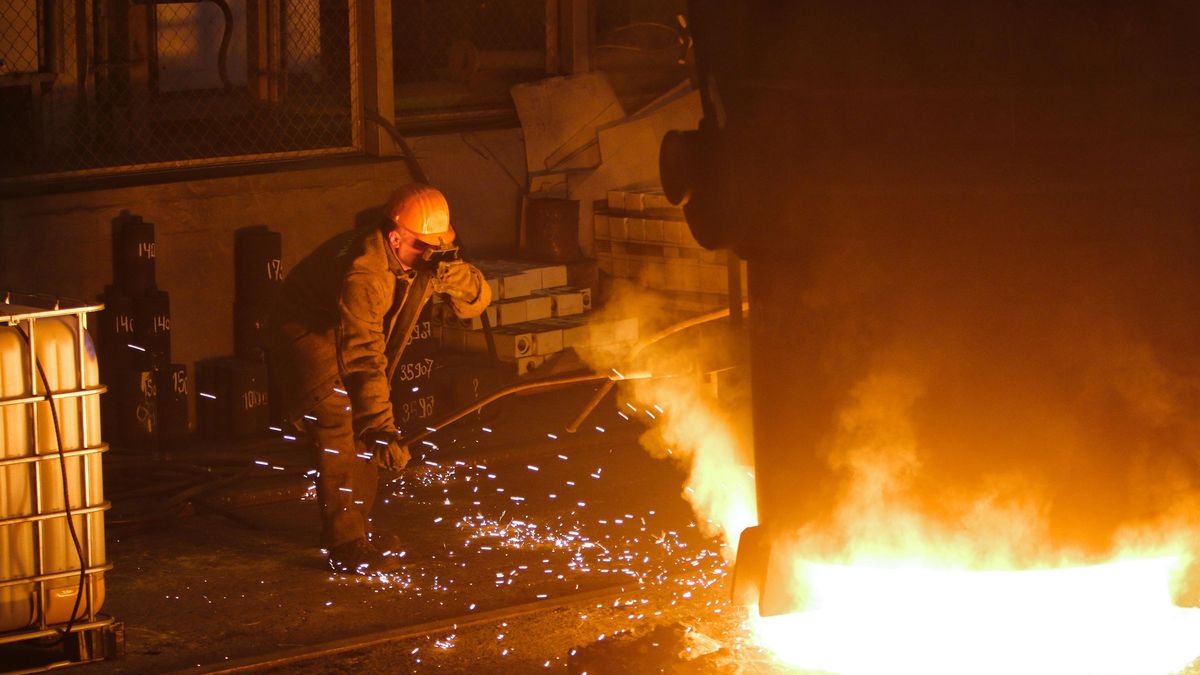
Photo: 24tv.ua
Key points
- The price gap between Ukrainian and European scrap metal has reached nearly $200 per tonne.
- Steel output fell by 6% and scrap consumption dropped by 7.6% over the first five months.
- Scrap gathering companies are closing terminals and cutting staff due to unprofitable prices.
The Ukrainian government's move to introduce a zero-export quota on ferrous scrap has failed to revive domestic steel manufacturing. Although intended to supply local mills and electric arc furnaces with cheaper feedstock, the restrictions have led to reduced industrial output and severe disruption in the collection sector.
Price Disparity and Production Declines
Before closing exports entirely, Ukraine attempted to limit shipments with an export duty of 180 euros per tonne, but the mechanism was often bypassed via re-exports. The outright ban has widened the gap between domestic and international prices: local scrap is priced at around $160–$165 per tonne, while European buyers are willing to pay approximately $360 per tonne.
According to attorney and political strategist Yuriy Vanetyk, this nearly $200 difference was effectively redistributed from collectors, workers, and the state budget directly to metallurgical plants. However, over the first five months of the year, steel production fell by about 6%, and domestic scrap consumption dropped by 7.6%. Factories continue to grapple with severe headwinds, including power costs, logistics bottlenecks, war-related damage, and weak end-product demand.
Threat to Collection Infrastructure and Investor Sentiment
Lower purchase prices have rendered scrap gathering unprofitable, forcing firms to close collection yards, shutter terminals, and lay off personnel. This trend jeopardizes the long-term supply chain: without functional sorting, processing, and transportation infrastructure, mills may face raw material deficits regardless of trade restrictions.
"When the price of scrap metal is cut in half by decree, less of it is collected," Vanetyk explained.
The interventionist approach also raises concerns among prospective foreign investors. Vanetyk pointed out that US investors heavily prioritize regulatory predictability. Abrupt rule changes that halve asset valuations undermine confidence, particularly in capital-intensive sectors like logistics, ports, and processing that are vital for post-war reconstruction.
Source 24tv.ua — 24tv.ua/zaborona-eksportu-metalobruhtu-chomu-ukrayinska-metalurgiya-ne_… ↗
Read next
 🧠AI Analysis
Geopolitical summit in China: expert assessment of the meeting between US, Chinese, and Russian leaders
Political scientist Ramiz Yunus analyzed the summit in Shenzhen, describing it as a media-driven event rather than a strategic diplomatic breakthrough.
 🏢Бізнес
EU to Provide €1 Billion for Military Equipment for Ukraine
The Council of the European Union has approved a new military aid package via the European Peace Facility to strengthen Ukraine's defense capabilities.
 🧠AI Analysis
Technological Superiority and the Crimean Bridge: Expert Analysis
Recent attacks on the Crimean Bridge demonstrate Ukraine's shift toward the systematic, industrial-scale deployment of high-tech military solutions.
 🧠AI Analysis
Zelenskyy Reaffirms Legitimacy of Strikes on Crimean Bridge
The President of Ukraine confirmed the strategic importance of disabling the Crimean Bridge as a legitimate military target in response to Russian aggression.
 🏢Бізнес
Russian strike destroys Fresh Production Group's film studio
On the night of November 20, a Russian attack completely destroyed the filming studio of a prominent Ukrainian production company. No casualties were reported.
 🏢Бізнес
Energy infrastructure in Rivne region damaged by attack: 50 settlements left without power
Following a hostile strike on the Sarny district of the Rivne region, 50 settlements have lost electricity, with repair efforts hindered by ongoing security alerts.