Giants on Hold: Why Ukraine's Oilseed Plants are Shutting Down and What It Means for the Market
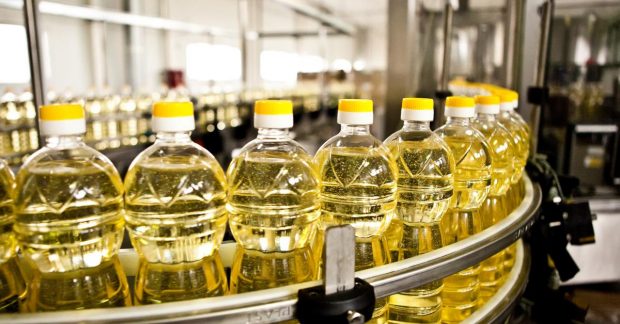
Approximately 50% of Ukraine's sunflower processing capacity is currently idle as major industry players halt operations, creating a unique opening for small-scale producers.
 🛒Ціни та тарифи
Photo: unian.ua
Key points
- Roughly 50% of Ukraine's oilseed extraction capacity is currently offline.
- The shutdown of major plants may cause a collapse in sunflower seed purchase prices for farmers.
- Domestic oil supply is secure, as local consumption accounts for less than 10% of total output.
Ukraine's oilseed processing market is undergoing a significant structural shift. Following a series of announcements regarding the suspension of operations by leading industry giants, about half of the country's total processing capacity is currently non-functional. This situation is drastically altering the balance of power in a sector previously dominated by large agricultural holdings, opening unexpected prospects for small and medium-sized enterprises.
Scale of the Shutdown and Key Players
According to analysts, the primary impact has hit the largest exporters. Specifically, market leader Kernel has suspended operations at its oil extraction plants, totaling approximately 3-3.5 million tons of processing capacity. Similar decisions were made by Delta Wilmar Ukraine (1.5 million tons) and the Potoky plant in Dnipro. Pavlo Martyshev, an expert at the KSE Agrocenter, notes that while large players have adopted a wait-and-see strategy, the other 50% of the market continues to operate cautiously.
A Window of Opportunity for Small Business
While industrial giants remain idle, a "window of opportunity" is opening for smaller processors, who account for about 20% of the market. According to Martyshev, the shutdown of large plants could lead to a significant drop in purchase prices for sunflower seeds.
"If the big players close, sunflower prices will simply collapse to the bottom,"the expert predicts. This would allow small enterprises to purchase raw materials at low prices, process them, and export oil in small batches at relatively high global prices.
Impact on Domestic Consumers
Despite the alarming news of production halts, there is no threat of a sunflower oil shortage within Ukraine. According to the Ukroliyaprom association, domestic consumption of this product in Ukraine is only about 400,000–500,000 tons per year. This is less than 10% of the country's total production, meaning that even with 50% of capacity idle, the needs of the population are fully covered. Consequently, food security in this segment remains stable, with the main risks involving state export revenues.
Source unian.ua — unian.ua/economics/agro/korolivskiy-smak-kernel-delta-vilmar-ne-pra… ↗
Read next
 🏢Бізнес
Saving a Water-Damaged Smartphone: 4 Mistakes to Avoid
Experts debunk common myths about drying gadgets and offer professional advice to prevent costly repairs.
 🏢Бізнес
EU spent more on Russian energy than on aid to Ukraine, European Commission data shows
Since 2022, EU member states have paid Russia more for energy imports than the total financial support provided to Ukraine.
 🏢Бізнес
SpaceX hires Washington lobbyists ahead of potential US Congressional probes
Elon Musk's aerospace company has engaged professional lobbyists to navigate upcoming Congressional scrutiny regarding Starlink operations in Ukraine.
 🧠AI Analysis
Geopolitical summit in China: expert assessment of the meeting between US, Chinese, and Russian leaders
Political scientist Ramiz Yunus analyzed the summit in Shenzhen, describing it as a media-driven event rather than a strategic diplomatic breakthrough.
 🏢Бізнес
Strikes on the Crimean Bridge: Economic Impact on Logistics and Shipping
Damage to the Crimean Bridge by Ukrainian missiles creates significant logistical hurdles for the Russian Federation and disrupts maritime trade.
 🏢Бізнес
EU to Provide €1 Billion for Military Equipment for Ukraine
The Council of the European Union has approved a new military aid package via the European Peace Facility to strengthen Ukraine's defense capabilities.