What types of firewood should not be used to heat private homes: expert advice
Experts identified wood species and materials that provide inefficient heating and rapidly clog chimneys with soot.
 🛒Ціни та тарифи
Photo: unian.ua
Key points
- Coniferous wood contains resins and clogs chimneys
- Damp wood reduces heating efficiency
- Burning construction waste is hazardous to health
As the cold weather approaches, owners of private houses and country cottages are actively preparing for the heating season by stockpiling solid fuel. However, not all wood is equally suitable for stoves or boilers, as a poor choice can lead to rapid chimney contamination and unnecessary financial expenses. Specialists warn against using certain types of fuel that yield minimal heat while creating significant safety hazards for the home.
Wood species that pose risks to the heating system
Coniferous tree species primarily fall into the category of undesirable materials. They contain a significant amount of resins that burn down and deposit as sticky soot on chimney walls. Consequently, flue pipes require much more frequent cleaning, while in open fireplaces, coniferous logs can dangerously pop sparks, increasing the risk of fire. Additionally, there are low-density soft hardwoods that burn instantly and fail to properly warm the room.
Another critical mistake is using damp or insufficiently seasoned firewood, regardless of its origin. Wet wood produces heavy smoke and ignites poorly, with a substantial portion of energy wasted on water evaporation rather than room heating. The low combustion temperature promotes the buildup of hazardous deposits in the pipes, which can eventually cause a house fire.
Construction waste, plywood remnants, particle board, or old furniture pose a distinct hazard. Such materials are treated with paints, adhesives, and chemical compounds that release toxic substances when burned. For the buyer's wallet, purchasing inefficient fuel types also means wasted money, as instead of prolonged heat, the owner receives rapid material burnout and extra maintenance costs for the equipment.
Source unian.ua — unian.ua/curiosities/kakimi-drovami-nelzya-topit-pech-osnovnye-poro… ↗
Read next
 🏢Бізнес
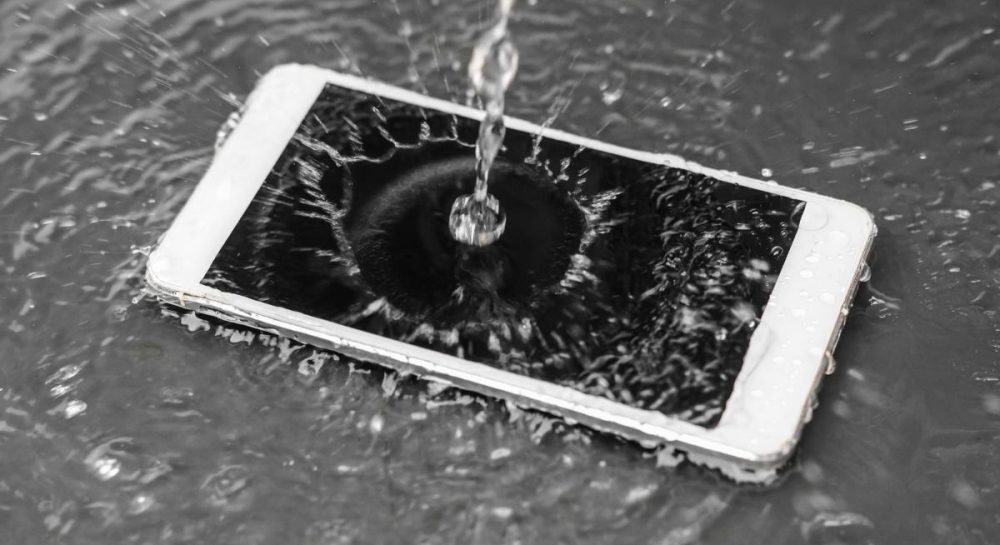
Saving a Water-Damaged Smartphone: 4 Mistakes to Avoid
Experts debunk common myths about drying gadgets and offer professional advice to prevent costly repairs.
 🏢Бізнес
EU spent more on Russian energy than on aid to Ukraine, European Commission data shows
Since 2022, EU member states have paid Russia more for energy imports than the total financial support provided to Ukraine.
 🏢Бізнес
SpaceX hires Washington lobbyists ahead of potential US Congressional probes
Elon Musk's aerospace company has engaged professional lobbyists to navigate upcoming Congressional scrutiny regarding Starlink operations in Ukraine.
 🧠AI Analysis
Geopolitical summit in China: expert assessment of the meeting between US, Chinese, and Russian leaders
Political scientist Ramiz Yunus analyzed the summit in Shenzhen, describing it as a media-driven event rather than a strategic diplomatic breakthrough.
 🏢Бізнес
Strikes on the Crimean Bridge: Economic Impact on Logistics and Shipping
Damage to the Crimean Bridge by Ukrainian missiles creates significant logistical hurdles for the Russian Federation and disrupts maritime trade.
 🏢Бізнес
EU to Provide €1 Billion for Military Equipment for Ukraine
The Council of the European Union has approved a new military aid package via the European Peace Facility to strengthen Ukraine's defense capabilities.