Lawmakers urge government to preserve 64% PIT and reverse subsidy for local communities in 2027 budget
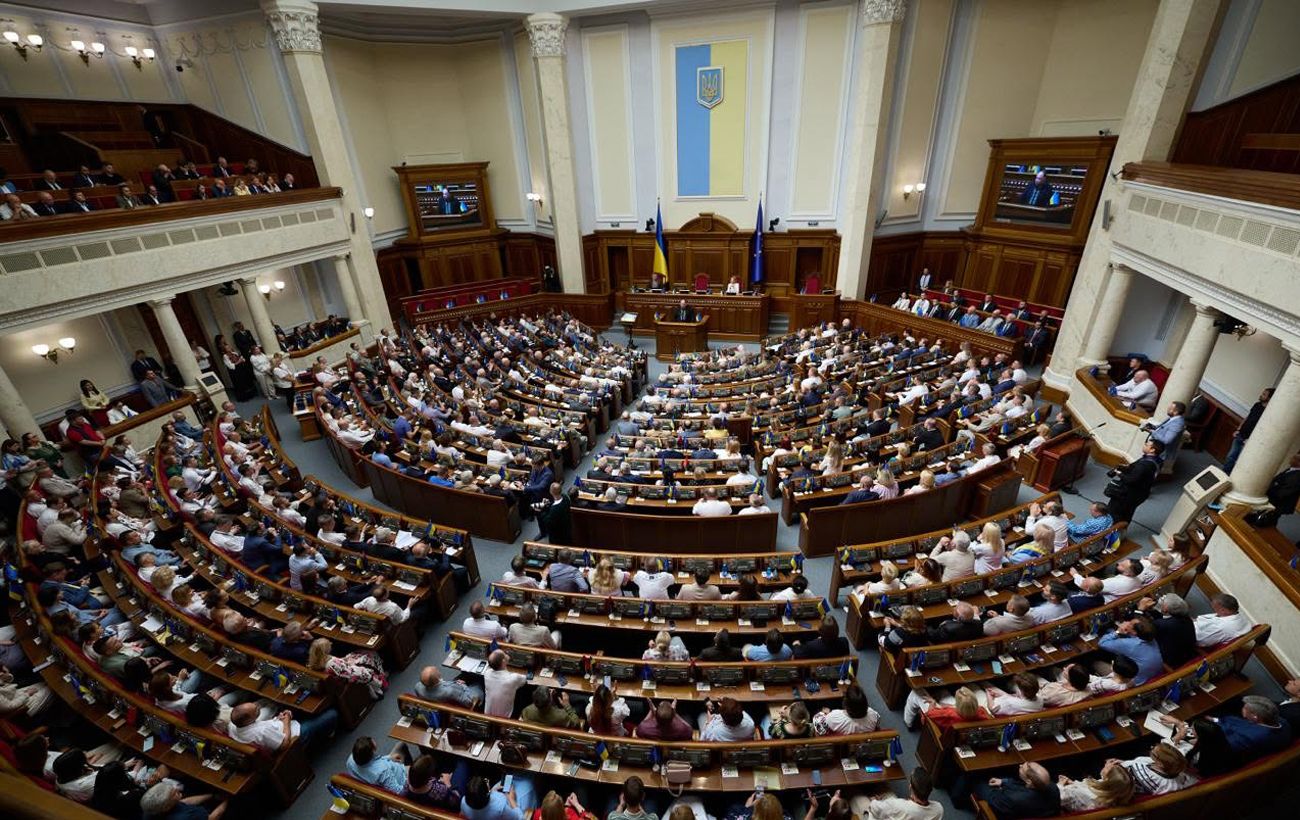
MPs have called on the Cabinet of Ministers to maintain financial stability for local self-government in the upcoming state budget.
 🧾Податки та виплати
Photo: rbc.ua
Key points
- MPs demand keeping 64% PIT in local budgets for 2027
- Initial budget draft planned to withdraw 19.2 billion UAH in reverse subsidies
- Association of Cities warns against artificial municipal bankruptcies
- Unpaid state compensation for tariff differences stands at 85 billion UAH
The financial viability of Ukraine's territorial communities has once again become a focal point for lawmakers. A group of members of parliament has appealed to Prime Minister Serhiy Koretsky, urging the government to retain 64% of the personal income tax (PIT) for local budgets and to cancel the planned withdrawal of reverse subsidy funds in the draft State Budget for 2027.
Budgetary challenges and parliamentary stance
These proposals are included in the budgetary guidelines for the 2027 State Budget draft law No. 16000, which the Verkhovna Rada approved back in late October. MPs emphasize that these tax revenues are vital for financing expanded municipal responsibilities acquired after the full-scale invasion, as well as for keeping heating and water supply utilities operational.
Special attention was drawn to the reverse subsidy mechanism. The initial draft budget proposed stripping 218 territorial communities of 19.2 billion hryvnias. Lawmakers argue that given the widespread destruction of major taxpayers and shrinking local economies, pulling these funds out would trigger severe deficits, forcing communities to cut spending on critical infrastructure and basic social needs, particularly in frontline regions.
Practical implications for citizens and business
The Association of Ukrainian Cities has backed the parliamentary appeal, pointing out that the current formula for calculating reverse subsidies fails to account for ruined industrial infrastructure. Consequently, communities risk losing revenues they no longer actually generate. For ordinary citizens, this translates into potential degradation of municipal services, heating issues, and weaker civil defense measures. Small businesses may also suffer due to frozen public procurement and local investment projects.
«The unpredictability of annual tax distribution rules complicates municipal planning and threatens local economic survival», — industry experts note.
The government is expected to address these concerns as it prepares the budget bill for its second reading.
Source rbc.ua — rbc.ua/ukr/news/radi-zaklikali-uryad-zberegti-64-pdfo-ta-1794918721… ↗
Read next
 🏢Бізнес
Saving a Water-Damaged Smartphone: 4 Mistakes to Avoid
Experts debunk common myths about drying gadgets and offer professional advice to prevent costly repairs.
 🏢Бізнес
EU spent more on Russian energy than on aid to Ukraine, European Commission data shows
Since 2022, EU member states have paid Russia more for energy imports than the total financial support provided to Ukraine.
 🏢Бізнес
SpaceX hires Washington lobbyists ahead of potential US Congressional probes
Elon Musk's aerospace company has engaged professional lobbyists to navigate upcoming Congressional scrutiny regarding Starlink operations in Ukraine.
 🧠AI Analysis
Geopolitical summit in China: expert assessment of the meeting between US, Chinese, and Russian leaders
Political scientist Ramiz Yunus analyzed the summit in Shenzhen, describing it as a media-driven event rather than a strategic diplomatic breakthrough.
 🏢Бізнес
Strikes on the Crimean Bridge: Economic Impact on Logistics and Shipping
Damage to the Crimean Bridge by Ukrainian missiles creates significant logistical hurdles for the Russian Federation and disrupts maritime trade.
 🏢Бізнес
EU to Provide €1 Billion for Military Equipment for Ukraine
The Council of the European Union has approved a new military aid package via the European Peace Facility to strengthen Ukraine's defense capabilities.